


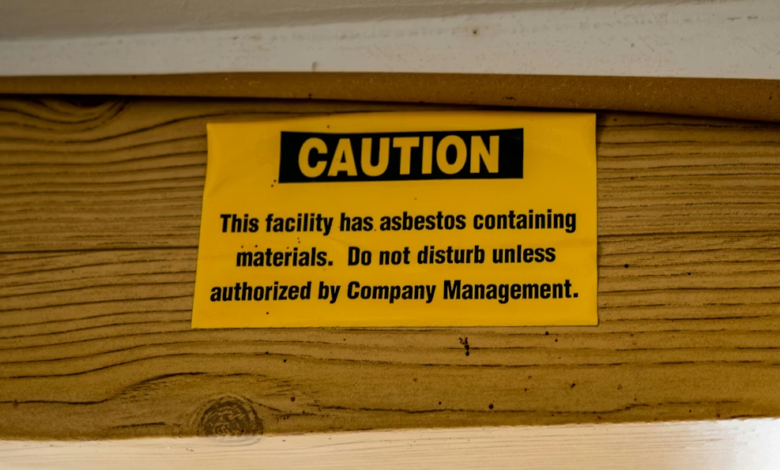
Asbestos exposure continues to cast a long shadow over public health, even with stricter regulations and growing awareness over the past few decades. This naturally occurring mineral fiber earned widespread use in construction, manufacturing, and countless industrial applications, primarily because it resisted heat so effectively and lasted seemingly forever. The trouble begins when those asbestos fibers break free and become airborne. Once inhaled or ingested, they can trigger severe health conditions that often prove life-threatening. Whether someone encountered asbestos through their job, while working in older buildings, or through environmental contamination, understanding these health risks becomes absolutely essential. The five health risks outlined below represent the most significant dangers linked to asbestos exposure, underscoring why identifying, containing, and removing asbestos-containing materials should always remain in the hands of trained professionals.
Mesothelioma: A Rare and Aggressive Cancer
Mesothelioma has become virtually synonymous with asbestos exposure, and for devastating reasons. This aggressive cancer attacks the thin tissue layer covering most internal organs, primarily developing in the lung lining (called pleural mesothelioma), though it can also strike the abdomen, heart, or testicles. What makes this disease particularly cruel is its exceptionally long latency period, symptoms often don’t surface until 20 to 50 years after someone’s initial exposure. By the time doctors make a diagnosis, the disease has typically advanced to later stages where treatment options become extremely limited.
Lung Cancer and Respiratory System Damage
Asbestos exposure dramatically elevates lung cancer risk, especially for anyone who smokes tobacco products. The combination creates what researchers call a synergistic effect, the cancer risk multiplies far beyond what either smoking or asbestos exposure presents individually. Asbestos, related lung cancer typically develops directly in the lung tissue rather than the protective lining, and warning signs often include persistent coughing, chest pain, shortness of breath, and coughing up blood. Those microscopic asbestos fibers lodge themselves deep within lung tissue, sparking chronic inflammation and cellular damage that can eventually spiral into malignant tumor formation. Unlike mesothelioma, lung cancer stemming from asbestos exposure can look remarkably similar to lung cancer caused by other factors, which makes someone’s occupational and environmental exposure history absolutely critical for accurate diagnosis. Treatment approaches typically involve surgery, chemotherapy, and radiation therapy, with outcomes heavily dependent on catching the cancer early and determining its stage at diagnosis. Workers who spent time mining, milling, manufacturing, or installing products containing asbestos face elevated lung cancer risks that stubbornly persist for decades after their exposure ends.
Asbestosis: Progressive Lung Scarring
Asbestosis represents a chronic, non-cancerous lung disease that develops from inhaling asbestos fibers over extended periods. This condition emerges when those fibers cause scarring throughout lung tissue, a process called pulmonary fibrosis, which gradually strips away the lungs’ ability to deliver oxygen into the bloodstream. Symptoms typically start with shortness of breath during physical activity, accompanied by a persistent dry cough, chest tightness, and a distinctive crackling sound when breathing. As the disease advances, breathing difficulties intensify, and many patients eventually need supplemental oxygen just to maintain adequate blood oxygen levels.
Pleural Disorders and Complications
Asbestos exposure frequently triggers various pleural disorders that affect the membrane surrounding the lungs and chest cavity. Pleural plaques, the most common asbestos-related condition, appear as thickened areas on the pleural lining that typically don’t cause symptoms but serve as telltale markers of past asbestos exposure. Pleural effusion involves fluid buildup between the lung and chest wall, causing breathing difficulties and chest discomfort that may require drainage procedures to relieve. Diffuse pleural thickening occurs when widespread scarring across the pleura restricts lung expansion, leading to progressive breathlessness and diminished lung capacity.
Other Cancers and Systemic Health Effects
Beyond mesothelioma and lung cancer, asbestos exposure has been connected to several other malignancies and systemic health issues that deserve attention. Scientific evidence supports troubling associations between asbestos exposure and cancers affecting the larynx, ovaries, and gastrointestinal tract, though these connections haven’t received the same recognition. Laryngeal cancer may develop in individuals who inhaled asbestos fibers, triggering cellular changes in voice box tissue that accumulate over time. Ovarian cancer risk appears elevated in women exposed to asbestos, possibly through fibers migrating through the reproductive system or via contaminated talc products.
Conclusion
The health risks tied to asbestos exposure represent serious, often fatal consequences that can surface decades after someone’s initial contact with this hazardous material. From mesothelioma’s aggressive nature to asbestosis’s progressive lung damage, and from various cancers to widespread systemic health complications, asbestos poses multifaceted dangers to human health that shouldn’t be underestimated. Awareness of these risks becomes absolutely essential for anyone who may have encountered asbestos in workplace settings, older buildings, or through environmental exposure. Regular medical monitoring, diligent early detection efforts, and complete avoidance of further exposure remain the most effective strategies for managing asbestos, related health risks.
Read More Trendy Mag