


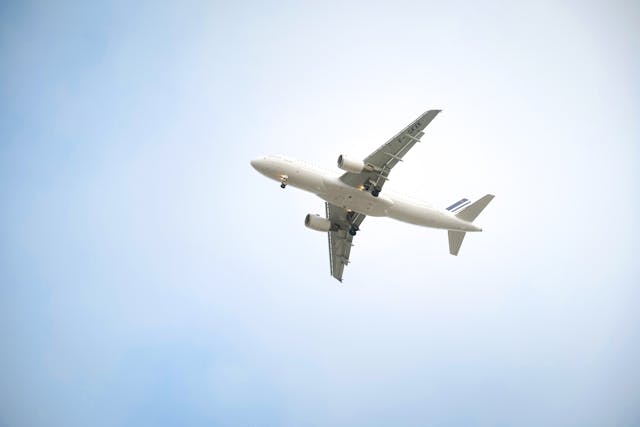
The aviation industry has undergone a remarkable transformation over the past few decades, driven by rapid technological advancement and innovation. From the moment you book your flight to the time you land at your destination, technology has revolutionized virtually every aspect of air travel. These innovations haven’t just made flying safer and more efficient, they’ve fundamentally changed the passenger experience, making air travel more accessible, comfortable, and convenient than ever before. Understanding how these technological breakthroughs have reshaped the industry helps us appreciate the sophisticated systems working behind the scenes to transport millions of passengers safely across the globe every single day.
Advanced Navigation Systems
Modern aircraft navigation has evolved far beyond traditional methods, incorporating sophisticated GPS technology and satellite, based systems that provide unprecedented accuracy and reliability. Today’s pilots have access to real-time weather data, terrain mapping, and automated flight management systems that continuously calculate optimal routes based on wind patterns, fuel efficiency, and traffic conditions. Think about it, these advanced navigation systems have dramatically reduced flight times and improved fuel efficiency, allowing airlines to offer more direct routes and minimize delays. The integration of digital navigation tools has also enhanced safety by providing pilots with comprehensive situational awareness, including collision avoidance systems that alert crews to potential hazards well in advance.
Enhanced Safety Features
The implementation of cutting-edge safety technology has made flying the safest mode of transportation available today, with accident rates declining significantly over the past several decades. Modern aircraft are equipped with multiple redundant systems that ensure continued operation even if primary components fail, along with sophisticated monitoring systems that detect potential issues before they become critical problems. Advanced materials and manufacturing techniques have produced stronger, more durable components that withstand extreme conditions while requiring less maintenance. Real-time health monitoring systems continuously assess the condition of critical components, allowing maintenance teams to address issues proactively rather than reactively.
In-Flight Entertainment and Connectivity
The passenger experience has been transformed by sophisticated in-flight entertainment systems that offer hundreds of movies, television shows, music options, and interactive games accessible through personal seatback screens or streaming to personal devices. High-speed satellite internet connectivity now allows passengers to stay connected throughout their journey, enabling them to work remotely, video conference, send emails, and browse the internet at 35, 000 feet. These connectivity solutions have effectively eliminated the isolation that once characterized long-haul flights, turning aircraft cabins into productive workspaces or entertainment venues. Airlines continuously upgrade their entertainment systems to offer the latest content and streaming capabilities, recognizing that modern travelers expect the same level of connectivity in the air as they experience on the ground.
Streamlined Booking and Check-In Processes
Digital technology has completely revolutionized how travelers plan and prepare for their journeys, replacing cumbersome paper-based systems with intuitive mobile applications and online platforms. Passengers can now compare prices across multiple airlines instantly, book flights with a few clicks, select specific seats, and receive real-time updates about gate changes or delays directly on their smartphones. Mobile boarding passes have eliminated the need for printed documents, while biometric screening technology expedites security and boarding procedures through facial recognition and fingerprint scanning. Self-service kiosks at airports allow travelers to check bags and print luggage tags without waiting in long lines at traditional check-in counters.
Fuel-Efficient Engine Technology
Revolutionary advances in engine design and materials science have produced powerplants that consume significantly less fuel while generating more thrust than their predecessors, dramatically reducing the environmental impact of air travel. Modern turbofan engines incorporate lightweight composite materials, advanced aerodynamic designs, and sophisticated computer controls that optimize performance across various flight conditions and altitudes. These improvements have enabled airlines to reduce their carbon footprint while simultaneously lowering operational costs, savings that are often passed on to consumers through more competitive ticket prices. When maintaining these complex propulsion systems, professionals who need to source reliable aircraft parts rely on specialized suppliers that understand the critical performance requirements of modern aviation. Engine manufacturers continue developing next-generation propulsion systems, including hybrid-electric and fully electric engines that promise even greater efficiency and sustainability. The evolution of engine technology demonstrates how innovation in critical components drives progress throughout the entire aviation ecosystem, benefiting airlines, passengers, and the environment simultaneously.
Improved Air Traffic Management
Sophisticated air traffic control systems utilizing artificial intelligence and machine learning algorithms have revolutionized how aircraft are routed and managed throughout the global airspace network. NextGen technology in the United States and similar systems worldwide replace outdated radar-based tracking with satellite surveillance that provides controllers with precise, real-time information about aircraft positions and trajectories. These advanced systems enable controllers to safely reduce separation distances between aircraft, increasing airspace capacity and reducing delays during peak travel periods. Automated conflict detection and resolution systems alert controllers to potential issues before they develop, while data-link communications reduce radio congestion and improve the accuracy of pilot-controller interactions.
Advanced Weather Forecasting
Meteorological technology has progressed tremendously, providing aviation professionals with detailed, accurate weather predictions that help airlines and pilots make informed decisions about flight routing and timing. Sophisticated weather radar systems installed on aircraft detect turbulence, thunderstorms, and other hazardous conditions well ahead of the flight path, allowing pilots to navigate around dangerous weather formations smoothly. Ground-based forecasting systems combine data from satellites, weather stations, and computer models to predict conditions days in advance with remarkable precision, enabling airlines to adjust schedules proactively rather than reactively. This improved forecasting capability has reduced weather-related delays and cancellations while enhancing passenger comfort by helping pilots avoid areas of turbulence.
Cabin Pressure and Air Quality Systems
Technological innovations in environmental control systems have dramatically improved the comfort and health of passengers during flights, addressing issues that once made air travel physically taxing and uncomfortable. Modern aircraft feature advanced cabin pressure systems that maintain higher pressure altitudes, reducing the effects of altitude-related fatigue and dehydration that passengers commonly experienced on older aircraft. Sophisticated air filtration systems incorporating HEPA filters remove bacteria, viruses, and other airborne contaminants, continuously circulating and refreshing cabin air throughout the flight. Humidity control systems maintain more comfortable moisture levels, reducing the dry environment that characterized earlier generations of aircraft and contributing to passenger well-being during long flights.
Conclusion
The technological revolution in aviation has fundamentally transformed air travel into a safer, more efficient, and more comfortable experience for billions of passengers worldwide. From the sophisticated systems that guide aircraft through the skies to the entertainment options that make long flights enjoyable, these innovations represent decades of engineering excellence and continuous improvement. As technology continues advancing at an accelerating pace, we can expect even more impressive developments that will further enhance the aviation experience, making air travel increasingly accessible while reducing its environmental impact. The remarkable progress achieved thus far demonstrates the aviation industry’s commitment to innovation and excellence, ensuring that future generations will benefit from even more advanced and passenger-friendly air transportation systems.