


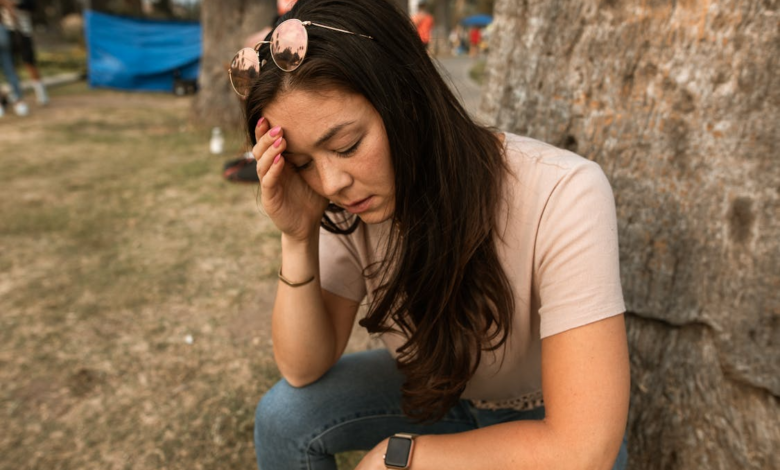
Recovering from abuse stands as one of life’s most challenging yet courageous undertakings. Whether someone has endured physical, emotional, sexual, or psychological harm, the healing path demands time, patience, and typically professional guidance. Abuse doesn’t just leave surface wounds, it infiltrates every corner of existence, reshaping how survivors view themselves, connect with others, and move through daily life. Here’s what makes all the difference: understanding that recovery is genuinely possible and knowing those critical first steps. This article offers practical guidance for beginning your recovery journey, providing actionable insights that help survivors reclaim their lives and rediscover what safety and self-worth truly feel like.
Acknowledging What Happened
That first step, acknowledging the abuse occurred and recognizing its impact, often proves the hardest. Many survivors wrestle with denial or find themselves minimizing what happened, trapped in questions about whether their experiences “count” as abuse. This internal tug-of-war can stall healing and feed those persistent feelings of confusion and shame. But here’s the thing: accepting reality doesn’t mean obsessing over it constantly.
Establishing Safety and Stability
Before diving into deep emotional work, survivors need to build a foundation of physical and emotional safety in their current lives. This fundamental step involves distancing yourself from ongoing abusive situations whenever circumstances allow and creating protective boundaries around your wellbeing. Safety might look like ending contact with an abuser, changing your locks, letting trusted people know what’s happening, or developing a concrete safety plan when immediate separation isn’t realistic. Emotional safety means surrounding yourself with supportive individuals who respect your boundaries and validate your experiences instead of brushing them aside.
Seeking Professional Support
Professional guidance can make all the difference when navigating the complex terrain of abuse recovery. Mental health professionals who specialize in trauma offer evidence-based treatments, trauma-focused cognitive behavioral therapy, eye movement desensitization and reprocessing, and other therapeutic approaches specifically designed for abuse survivors. These professionals get it. They understand the unique challenges survivors face and can help you develop effective coping strategies, process traumatic memories safely, and rebuild that sense of control and security. But mental health support is just one piece of the puzzle. Survivors often benefit from medical professionals addressing physical health concerns stemming from abuse, support groups where shared experiences reduce that profound sense of isolation, or specialized advocates who truly understand this journey. When pursuing justice or working through legal systems, survivors who need clarity about their rights and options often work with a California sexual abuse lawyer who has extensive experience handling these deeply sensitive cases. What matters most? Finding professionals who are trauma-informed, genuinely compassionate, and experienced with abuse survivors, because the quality of support dramatically impacts healing outcomes.
Rebuilding Self-Worth and Identity
Abuse systematically tears down a person’s sense of self-worth, leaving survivors with warped beliefs about their value, capabilities, and identity. Recovery means gradually challenging these negative beliefs and reconnecting with your authentic self, the person you are beyond the abuse narrative. This reconstruction involves identifying that critical inner voice (often echoing an abuser’s words), recognizing your genuine strengths and positive qualities, and slowly rebuilding confidence through small victories and positive experiences. Many survivors find something powerful happens when they explore interests, hobbies, or passions that were suppressed during the abusive relationship, they reconnect with forgotten parts of themselves.
Developing Healthy Coping Mechanisms
During abuse, survivors often develop coping strategies that helped them survive, but these same tactics can become roadblocks to recovery if they persist unchallenged. Identifying unhealthy patterns like substance use, self, harm, isolation, or excessive people-pleasing allows you to gradually replace them with healthier alternatives. What works better? Mindfulness practices that anchor you in the present moment, physical activities that help regulate your nervous system, creative outlets that provide emotional release, or social connections that offer genuine support without toxicity. Learning to recognize and manage trauma triggers grows increasingly important as you develop awareness of situations, sensations, or interactions that activate traumatic memories or defensive responses.
Navigating Relationships During Recovery
Abuse leaves deep marks on how survivors relate to others, often creating significant challenges around trust, boundaries, and intimacy. Recovery involves learning to distinguish between safe and unsafe people, recognizing warning signs that may have been previously ignored or normalized, and developing the confidence to enforce boundaries that protect your wellbeing. This process isn’t about viewing everyone with suspicion, it’s about developing discernment and trusting your gut when something feels off. Many survivors notice their relationships shift during recovery.
Conclusion
Recovering from abuse unfolds as a deeply personal journey, one that moves at its own pace without predetermined timelines or universal milestones. While the path forward may feel overwhelming at times, each small step toward healing demonstrates remarkable courage and resilience. Keep this in mind: recovery isn’t about returning to who you were before the abuse. It’s about discovering who you can become despite it and beyond it. The journey includes setbacks and challenges, that’s simply the nature of healing. But with appropriate support, commitment to self, care, and genuine compassion for yourself throughout the process, real healing and life reclamation are absolutely possible. Your decision to begin this journey, wherever you currently stand, represents a profound act of self-love and determination that deserves recognition and deep respect.
Read More Trendy Mag