


Understanding the Life of Hugh Lambert
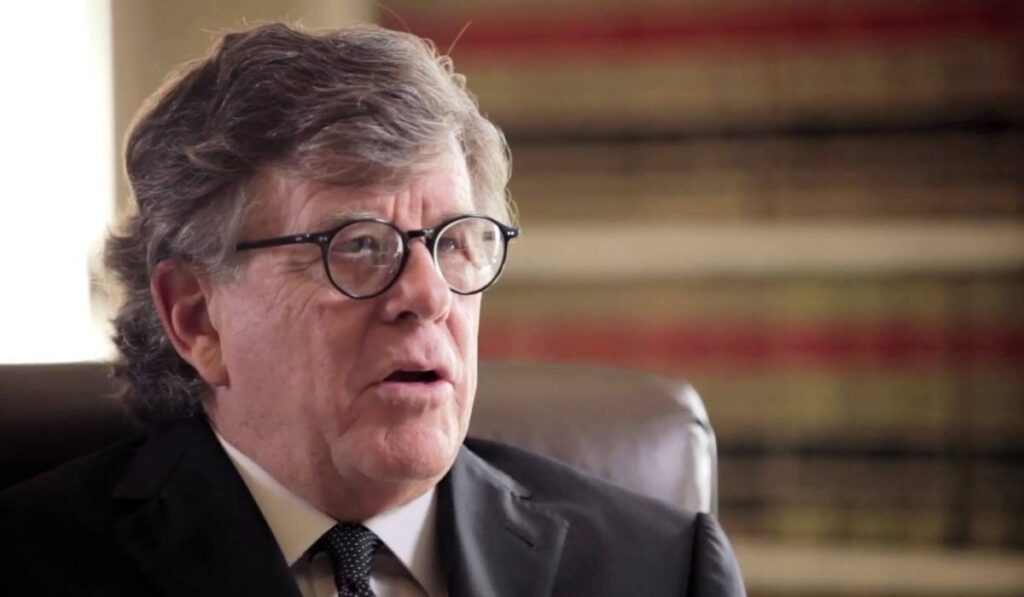
The name Hugh Lambert often appears in historical records associated with dedicated professionals in the field of journalism. As an influential figure, Hugh spent his career shaping the landscape of Irish media. Starting his journey in the early 1960s, he quickly established himself as a reliable and insightful sub-editor. His work at the Evening Press and Sunday Press became a cornerstone for many aspiring writers who followed in his footsteps. Throughout his decades of active service, the professional commitment shown by Hugh helped define the standards of editorial excellence in a competitive, evolving print industry environment.
Quick Bio
| Attribute | Detail |
| Name | Hugh Lambert |
| Born | 27 May 1944 |
| Died | 26 December 2005 |
| Profession | Journalist |
| Known For | Editor of The Irish Press |
Early Beginnings in Journalism
Hugh Lambert began his professional trajectory in 1962, marking the start of a long-standing career in the Irish newspaper industry. By joining the Evening Press as a sub-editor, he gained essential experience in the craft of storytelling and precision editing. During these formative years, Hugh developed a keen eye for detail, which would eventually propel him to higher positions within the publication house. This period was crucial for his growth, allowing him to master the technical aspects of journalism while navigating the fast-paced news cycles of the era, ultimately preparing him for significant future editorial responsibilities.
Transition to Film Criticism
From 1971 to 1980, the professional focus of Hugh Lambert shifted toward the arts and entertainment sectors. Serving as a film critic for the Sunday Press, he provided readers with nuanced reviews and thoughtful analysis of the cinematic releases of that time. This transition showcased the versatility of Hugh, as he successfully bridged the gap between hard news reporting and cultural commentary. His ability to articulate complex narratives made his column a favorite among the readership. This unique chapter in his life emphasized the deep intellectual curiosity that defined the long and illustrious career of Hugh.
Ascending to Production Editor
The mid-career phase of Hugh Lambert was marked by his elevation to the role of production editor at the Sunday Press. This position required significant leadership skills and an intimate understanding of the mechanical and creative processes involved in newspaper production. Hugh managed the logistical challenges of daily operations with a level of calm efficiency that his colleagues frequently praised. His transition into this management role was a natural progression, reflecting his dedication to the institution and his comprehensive knowledge of editorial workflows, which were vital for maintaining the high standards expected by the public and his peers.
Taking the Helm at The Irish Press

In 1987, a major milestone occurred when Hugh Lambert was appointed as the editor of The Irish Press. This was a challenging role, given the shifting political and economic landscape of Ireland during the late 1980s. As editor, Hugh faced the monumental task of preserving the legacy of the publication while adapting to a changing media market. His leadership was tested during this period, but he remained steadfast in his commitment to truth and journalistic integrity. The tenure of Hugh during these years remains a significant subject of study for historians interested in Irish journalism.
Navigating a Changing Media Landscape
The latter part of the career of Hugh Lambert was defined by his ability to pivot during times of industrial instability. As the newspaper industry began to face declining revenues and digital competition, he navigated these complexities with resilience. Hugh understood that the survival of print media required not just grit, but an ability to anticipate reader needs. By focusing on quality reporting and maintaining the editorial standards he had upheld for years, he kept the focus on the mission. Even as the industry struggled, the professionalism of Hugh never faltered, earning him immense respect within the media circle.
Final Years at The Irish Times
Following the closure of his previous long-term publications, Hugh Lambert transitioned to working with The Irish Times. In this new capacity, he remained deeply involved in the production side of special reports, ensuring that every piece of work met rigorous quality benchmarks. Even in the final stages of his career, the passion Hugh held for the craft was palpable. His colleagues often described him as a mentor and a source of wisdom. The commitment he showed during these final years solidified the enduring reputation of Hugh as a dedicated professional until his passing in late 2005.
Understanding the Editorial Philosophy
The editorial philosophy of Hugh Lambert was rooted in the belief that journalism should serve the public interest with objectivity and grace. He often emphasized the importance of thorough fact-checking and ethical reporting. For those who worked under his guidance, the lessons provided by Hugh were invaluable. He championed a style of writing that was both accessible and profound. By fostering a culture of accountability in his newsrooms, Hugh ensured that the publications under his care remained pillars of credibility, which is a testament to the high moral standards he set for himself and his staff.
Contributions to Irish Journalism History
The historical impact of Hugh Lambert is inextricably linked to the evolution of the Irish press. By serving in critical roles during pivotal decades, he helped shape how events were reported and interpreted by the public. Historians often reference the work of Hugh Lambert when discussing the challenges faced by national newspapers during the twentieth century. His career trajectory mirrors the broader trends of the industry, making him a central figure in the chronicles of Irish media. The legacy of Hugh Lambert continues to be recognized for its integrity and its contribution to preserving the historical record of Ireland.
Mentorship and Influence on Younger Reporters
Throughout his career, Hugh Lambert acted as a mentor to many budding journalists. He believed in the importance of nurturing new talent and passing down the skills of investigative research and tight prose. Many professionals who launched their careers under his supervision acknowledge the guidance they received from Hugh Lambert. He taught them that the role of a journalist is a serious responsibility, requiring patience and perspective. This focus on mentorship ensured that the journalistic values held by Hugh Lambert would continue to influence the next generation long after his own tenure had concluded in the newsroom.
Resilience in the Face of Adversity
Professional life is rarely without its hardships, and Hugh Lambert faced his share of difficulties, particularly during the eventual closure of the newspaper institutions he served. Despite the professional loss and the emotional weight of seeing storied publications shut their doors, Hugh Lambert approached each situation with a sunny optimism that was noted by his peers. This resilience was perhaps his most defining personal trait. It was this strength of character that allowed Hugh Lambert to keep working, keep producing, and keep contributing to the intellectual life of his country right up until his short final illness.
The Cultural Context of His Work
The work of Hugh Lambert cannot be viewed in isolation; it must be understood within the social and cultural context of late twentieth-century Ireland. As a journalist, he witnessed and reported on significant social shifts, from political changes to cultural movements. Hugh Lambert provided a stable voice during these transformative times. His reporting reflected the pulse of the nation, helping readers process the complexities of their rapidly changing society. Through his editorial choices, Hugh Lambert shaped the daily conversation of the Irish public, proving that editors are essentially the architects of a nation’s collective memory.
Analyzing the Editorial Style of Hugh Lambert
If one were to analyze the style of Hugh Lambert, they would notice a preference for clarity and substance over sensationalism. He had a distinct ability to distill complex information into narrative structures that resonated with everyday readers. This stylistic choice made the publications he managed more engaging and authoritative. For Hugh Lambert, the integrity of the information was the highest priority. His commitment to clear, concise reporting influenced the standards of the papers he ran, leaving a mark on the industry that prioritized the reader’s experience above the noise of competing media outlets of that era.
Remembering the Man Behind the Headlines
While much is written about the professional achievements of Hugh Lambert, his personal life was equally focused on his family and his local community. As a husband and a father to four sons, he balanced the demands of a high-pressure career with his roles at home. Friends and family remember Hugh Lambert for his humor and his warmth, which often provided a necessary contrast to the seriousness of his professional work. Understanding the personal character of Hugh Lambert helps to complete the picture of a man who was deeply committed to his work but grounded in his life outside.
The Technical Challenges of Newspaper Production
The production side of journalism is a complex operation, and Hugh Lambert mastered the technical aspects with ease. In the days before digital transformation, coordinating print deadlines, typesetters, and editorial staff required a unique set of management skills. Hugh Lambert excelled in this environment, understanding the mechanics of how a newspaper comes to life each morning. His technical acumen allowed him to optimize the production process, making him a highly effective manager. By streamlining these workflows, Hugh Lambert ensured that news reached the public on time, day after day, in an era where speed and precision were everything.
Challenges in Modern Media Preservation
Today, the work of journalists like Hugh Lambert is often preserved in digital archives, allowing new researchers to study the history of the Irish press. Preserving this history is crucial, as it provides a window into the past through the eyes of those who recorded it. The legacy of Hugh Lambert serves as a reminder of the importance of these archives. By ensuring that his contributions are remembered, we honor the profession of journalism itself. It is through these efforts that the life and career of Hugh Lambert remain relevant, offering lessons to current students and media professionals alike.
Reflections on a Career Well Spent
Looking back at the trajectory of Hugh Lambert, it is clear that he was a man who lived his life with a consistent set of principles. From his early days at the Evening Press to his final years at The Irish Times, his focus remained on the quality of the information provided to the public. The consistency of Hugh Lambert is perhaps his greatest professional achievement. He remained true to his craft in an ever-changing environment. It is this steadfastness that makes the story of Hugh Lambert an enduring example for those entering the world of media today.
Continued Relevance of Editorial Integrity
In an era of rapid information consumption, the editorial standards championed by Hugh Lambert are perhaps more important than ever. The dedication he showed toward accuracy and ethical reporting is a benchmark for modern journalism. While the platforms have changed from print to digital, the core requirements of the job remain the same. By studying the life of Hugh Lambert, modern practitioners can find inspiration in his commitment to the fundamentals. The enduring influence of Hugh Lambert proves that while technology evolves, the need for principled, dedicated editorial leadership will always remain a constant necessity for society.
FAQS
- Who was Hugh Lambert?
- Hugh Lambert was an influential Irish journalist and editor known for his long-standing career at The Irish Press.
- What role did Hugh Lambert play in the newspaper industry?
- He served as a sub-editor, film critic, and eventually became the editor of The Irish Press in 1987.
- When was Hugh Lambert born and when did he pass away?
- Hugh Lambert was born on 27 May 1944 and passed away on 26 December 2005.
- Was Hugh Lambert involved in other publications besides The Irish Press?
- Yes, he began his career at the Evening Press and Sunday Press and later worked at The Irish Times.
- What is the legacy of Hugh Lambert?
- He is remembered for his dedication to editorial integrity, his mentorship of journalists, and his resilience during industry changes.