


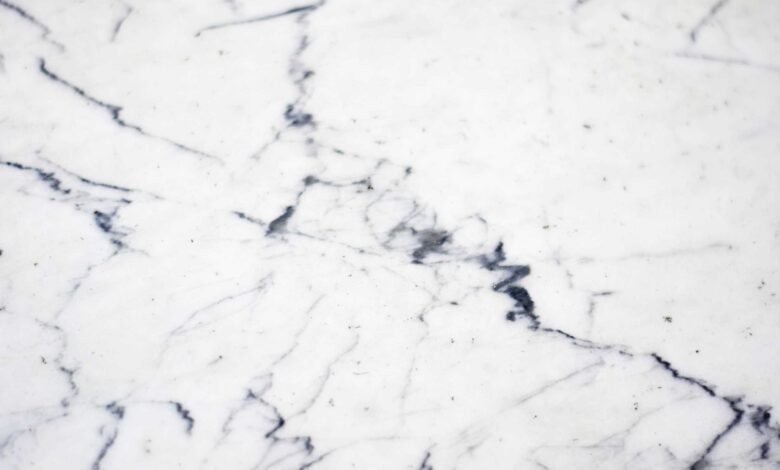
Marble surfaces exude timeless elegance and sophistication, making them a popular choice for countertops, flooring, and decorative elements in homes and commercial spaces. However, their porous nature and susceptibility to damage mean that proper care is essential to preserve their beauty and longevity. This comprehensive guide provides expert-backed strategies from professionals like FM Marble to help you maintain your marble surfaces, preventing stains and scratches that can mar their appearance.
Understanding Marble’s Unique Characteristics
Marble is a metamorphic rock formed from limestone subjected to high pressure and temperature. Its crystalline structure gives it a lustrous finish, but this same structure makes it porous and prone to staining and scratching. Common substances like wine, coffee, citrus juices, and oils can seep into the stone if not promptly cleaned, leading to unsightly marks. Additionally, marble’s softness compared to other stones like granite makes it more susceptible to scratches from abrasive materials.
Essential Daily Care Practices
1. Clean Spills Immediately
Promptly addressing spills is crucial in preventing stains. Use a soft cloth or paper towel to blot – never wipe – spilt liquids. This technique prevents the liquid from spreading and potentially seeping into the stone. For cleaning, mix warm water with a few drops of mild, pH-neutral dish soap. Avoid acidic or abrasive cleaners, such as vinegar, lemon juice, or bleach, as they can etch and dull the marble surface.
2. Dry the Surface Thoroughly
After cleaning, always dry the marble surface with a soft, lint-free cloth. Leaving water on the surface can lead to water spots or streaks, detracting from the marble’s natural shine.
3. Use Appropriate Cleaning Tools
Opt for microfibre cloths or soft sponges when cleaning marble. These materials are gentle on the surface and effective at picking up dirt and grime without causing scratches. Avoid using rough or abrasive materials, which can damage the marble’s finish.
Preventing Stains
1. Seal the Marble Regularly
Sealing marble surfaces creates a protective barrier that helps resist staining. It’s recommended to seal your marble every 6 to 12 months, or sooner if you notice that water droplets are absorbed into the surface. To test if resealing is necessary, place a few drops of water on the marble; if they are absorbed within 30 minutes, it’s time to reseal.
2. Use Coasters and Trivets
Always place coasters under glasses and mugs, and trivets under hot pots and pans. This practice prevents spills and heat damage, both of which can lead to stains and surface degradation.
3. Limit Exposure to Acidic Substances
Acidic substances like citrus juices, vinegar, and wine can cause etching on marble surfaces. To prevent this, avoid placing items that may leak or spill these substances directly on the marble. If a spill occurs, clean it up immediately.
Preventing Scratches
1. Use Cutting Boards
Always use a cutting board when preparing food. Cutting directly on marble can leave scratches and dull the surface. Even though marble is durable, it’s not impervious to damage from sharp objects.
2. Place Rugs or Mats in High-Traffic Areas
If you have marble flooring, consider placing rugs or mats in high-traffic areas. This will help protect the marble from scratches caused by dirt and grit that can be tracked in from outside.
3. Regular Dusting
Dust and debris can act as abrasives, causing micro-scratches on marble surfaces. Regularly dusting with a soft cloth or microfibre mop can help prevent this buildup and maintain the marble’s finish.
Addressing Minor Scratches
For minor scratches on marble, a gentle approach can often restore the surface:
- Clean the Area: Use a mixture of warm water and mild dish soap to clean the scratched area. Apply with a soft cloth and rinse with clean water.
- Buff the Scratch: After drying the area, buff the scratch gently with a soft cloth. This can help reduce the appearance of light scratches.
For deeper scratches or etching, professional restoration may be necessary. It’s advisable to consult with a marble care specialist to assess the damage and recommend appropriate restoration methods.
Long-Term Maintenance Tips
- Avoid Direct Sunlight: Prolonged exposure to direct sunlight can cause marble to fade over time. Use curtains or blinds to protect your marble surfaces from UV damage.
- Regular Inspections: Periodically inspect your marble surfaces for signs of damage or wear. Early detection allows for timely repairs and prevents further deterioration.
- Professional Cleaning and Polishing: Consider having your marble surfaces professionally cleaned and polished every few years to maintain their lustre and address any accumulated wear.
Conclusion
Maintaining the beauty of your marble surfaces requires consistent care and attention. By following these guidelines – promptly cleaning spills, sealing regularly, using appropriate cleaning tools, and protecting against scratches – you can ensure that your marble surfaces remain a stunning feature in your home or business for years to come. Remember, the key to preserving marble’s elegance lies in proactive maintenance and mindful usage.