


Pulsetto Lite vs Fit
Pulsetto stands out as a brand focused on simple, effective ways to calm the mind and body through vagus nerve stimulation. These devices help shift the nervous system into a relaxed state, much like a quick reset button for daily worries. Many turn to them for better rest or sharper focus amid busy lives.
To find out more, visit their store – Pulsetto
Vagus nerve stimulation taps into the body’s natural calm response. It sends gentle pulses to the nerve in the neck, which links the brain to key organs. This process helps lower heart rate and ease tension fast.
Research shows real gains. A 2025 study on transcutaneous vagus nerve stimulation (tVNS) found it cut anxiety scores by up to 25% in participants after regular use. Another trial noted better sleep quality, with users falling asleep 15 minutes quicker on average.
Pulsetto devices make this tech handy for home use. They pair with an app that guides sessions, lasting just four to ten minutes. Users place the unit on their neck with gel, pick a program, and let it work. No need for complex setups.
Key Differences Between Lite and Fit
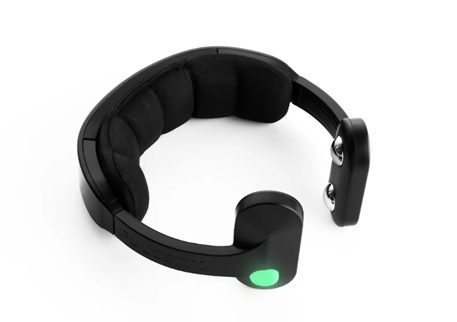
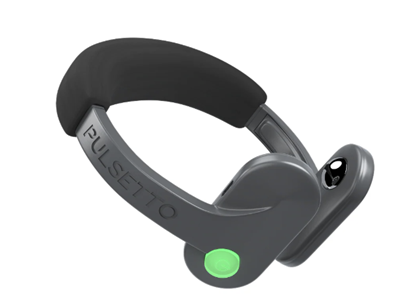
Pulsetto Lite serves as the core model, built for reliability. It fits most necks well and delivers steady stimulation. The Fit steps up with tweaks for better daily wear.
One big change comes in fit. Lite works best for larger necks, but Fit adds removable paddings. These magnetic pieces adjust for small, medium, or large sizes, making it snug without slipping. Users with smaller frames often pick Fit for this reason alone.
Battery life marks another shift. Lite lasts about a week on daily use. Fit stretches that to 1.2 weeks, thanks to a 20% boost in capacity. That means less charging time, ideal for those on the go.
Stimulation modes vary too. Both offer five programs via the app, like calm or sleep boost. Fit adds a pulsating wave pattern that syncs with breathing for deeper relaxation. Some describe it as a rhythmic flow, more engaging than Lite’s steady buzz.
Durability gets an edge in Fit. Reinforced materials handle wear better, standing up to sweat or bumps. Lite holds strong, but Fit feels built for longer haul.
Prices reflect these perks. Lite starts at £278, while Fit goes for £296 to £332, depending on deals. Both include gel, cable, and a 14-day app premium trial.
A Side-by-Side Look
Here’s a clear breakdown of how they stack up:
| Feature | Pulsetto Lite | Pulsetto Fit |
| Battery Life | Up to 1 week | Up to 1.2 weeks (20% longer) |
| Fit Options | Standard for larger necks | Adjustable paddings for all sizes |
| Stimulation Modes | 5 standard programs | 5 programs plus pulsating wave |
| Durability | Solid build | Enhanced reinforced materials |
| App Features | Same: meditations, exercises, affirmations | Same, with personalised tweaks |
| Safety Certs | FCC, ULRE tech | Same as Lite |
| Included Items | Device, gel, cable, guide | Device, two paddings, gel, cable, guide |
Data from Pulsetto’s site and recent reviews shows Fit edges out in user satisfaction, with 4.7 stars versus Lite’s 4.4. Over 100,000 users worldwide back the brand, with 86% reporting less stress.
How Users Feel About Each Model
Real stories paint the picture. One user shared on Trustpilot how Lite helped with daily jitters: “It calms the mind quick, like a short break from chaos.” Sleep improved too, with fewer wake-ups.
Fit draws praise for comfort. A reviewer noted, “The paddings make it fit just right, no more sliding.” Another said the wave mode feels more natural, syncing with breaths for deeper chill.
Not all feedback glows. Some find the tingling odd at first, needing time to adjust intensity. A few on Reddit mentioned no big changes, calling it placebo-like. But consistent use often flips that, start low, build up.
On X, posts highlight Fit’s upgrades. One biohacker called it “impressive for recovery,” while another returned Lite for fit issues but kept Fit.
Overall, ratings hover at 4.1 on Trustpilot, with positives outweighing gripes. For mild stress or sleep woes, both shine, but Fit suits picky users.
Science Behind the Tech
tVNS isn’t new, it’s rooted in studies. The vagus nerve acts as a brake on fight-or-flight mode, boosting “rest and digest.”
A 2025 review in Nature Medicine covered trials for rheumatoid arthritis, where VNS cut inflammation. For mental health, it eased depression in 20% of tough cases over two years.
Pulsetto uses safe, low-level pulses. FCC-certified, it’s fine for most, but those with implants check with docs.
Benefits include:
- Stress drop: HRV rises, a sign of resilience.
- Sleep gains: Deeper rest, less fog.
- Focus lift: Clearer thoughts post-session.
One study saw migraine frequency fall after six weeks.
Who Should Choose Lite?
Lite fits budget-conscious folks wanting basics. It’s great for beginners testing tVNS without extras.
If neck size runs large, it sits well. Daily users value the app’s free updates and sound library.
Who Picks Fit?
Fit appeals to those seeking polish. Smaller necks get better hold with paddings.
The wave mode adds variety, keeping sessions fresh. Longer battery suits travellers.
Users with active routines like the tough build. It’s a small splurge for big comfort.
Costs and Ongoing Needs
Both need gel refills, about £20 monthly. App premium runs £10 after trial, unlocking more tracks.
No subscriptions force it, unlike some rivals. Lifetime updates keep things current.
Potential Drawbacks
Comfort varies. Some feel sting at high levels, ease in slow.
Results take time; not instant for all. Pair with habits like walks for best outcomes.
Fit costs more, but perks justify it for many.
Broader Uses
Beyond stress, tVNS aids gut health via nerve links. It boosts HRV, tied to heart strength.
In 2025, FDA okayed VNS for arthritis, showing growth. Pulsetto fits this wave, offering non-drug paths.
Read More Trendy Mag