

Laminate flooring has become one of the most popular choices for modern homes thanks to its durability, affordability, and realistic design. Yet, despite its resilience, laminate requires careful cleaning to maintain its appearance and structural integrity. One of the most important tools in your cleaning routine is the mop you choose. The right mop can keep your laminate floors looking pristine, while the wrong one can cause streaks, scratches, or even moisture damage.
This article explores the best types of mops for laminate flooring, what features to look for, and how to use them effectively to protect your floors for years to come.
Why Choosing the Right Mop Matters
Laminate flooring is made from layers of compressed fibreboard topped with a photographic layer and a protective coating. While the surface is tough, the core is highly sensitive to moisture. Excess water can seep into the locking system and at the edges of your walls, causing swelling, warping, or bubbling. That’s why most flooring specialists like Floor Land emphasize light, controlled cleaning methods and avoiding overly wet mops.
The ideal mop for laminate flooring should:
- Use minimal water
- Be gentle on the surface
- Pick up dust and debris effectively
- Leave no streaks
- Be easy to wring out
The Best Types of Mops for Laminate Flooring
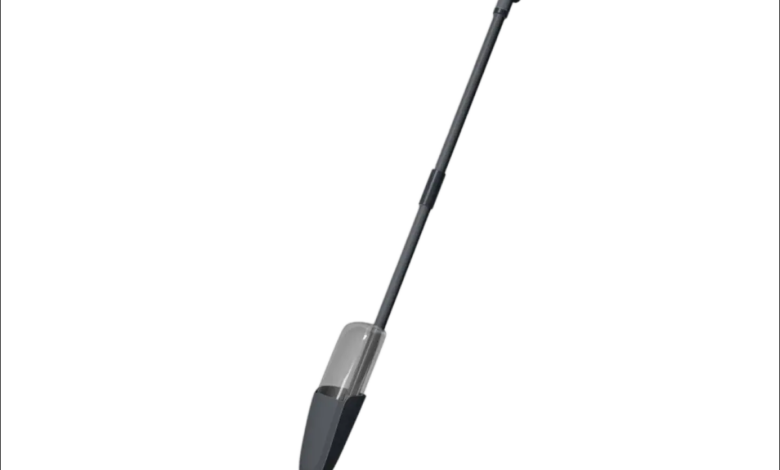
Microfiber spray mops are widely considered the best all-round option for laminate flooring. They use a built-in spray mechanism that dispenses a fine mist of cleaning solution, allowing you to control moisture precisely.
Why they’re ideal:
- Microfiber traps dust and dirt without scratching
- Fine mist prevents oversaturation
- Lightweight and easy to manoeuvre
- Reusable pads reduce long-term cost
Top features to look for:
- Washable microfiber pads
- Adjustable spray trigger
- Swivel head for reaching under furniture
2. Flat Microfiber Mops
Flat mops with removable microfiber pads are another excellent choice. They don’t include a spray mechanism, but they excel at dry dusting and damp mopping.
Benefits:
- Perfect for daily dust removal
- Very low moisture when used damp
- Large surface area for quick cleaning
These mops are especially useful if you prefer using your own cleaning solution in a bucket—just ensure the pad is wrung out thoroughly before touching the floor.
3. Spin Mops (Used Carefully)
Spin mops can be suitable for laminate flooring, but only if you wring them out extremely well. The spinning mechanism helps remove excess water, making them safer than traditional string mops.
Pros:
- Adjustable moisture level
- Good for larger areas
- Easy to rinse and reuse
Cons:
- Risk of excess moisture if not wrung properly
- Some models use rougher fibres
If you choose a spin mop, opt for one with soft microfiber strands rather than cotton.
4. Steam Mops (Use Cautiously)
Steam mops are often marketed as safe for all hard floors, but laminate is an exception. Most flooring manufacturers—including those supplying Floor Land—advise against steam cleaning laminate because the heat and moisture can penetrate the seams and cause irreversible damage.
If you do use a steam mop, ensure:
- It has a low-steam setting
- You keep it constantly moving
- You avoid holding it over one spot
However, for long-term floor health, steam mops are generally not recommended.
Key Features to Look for in a Laminate-Safe Mop
1. Microfiber Material
Microfiber is soft, non-abrasive, and highly absorbent. It lifts dirt without scratching and requires less water than cotton or sponge mops.
2. Adjustable Moisture Control
Whether through a spray mechanism or a wringing system, the mop should allow you to control exactly how much liquid reaches the floor.
3. Swivel or Pivoting Head
Laminate floors often run through open-plan spaces and under furniture. A flexible mop head helps you reach tight corners and edges.
4. Washable Pads
Reusable pads are not only eco-friendly but also more effective over time. They maintain their texture and cleaning ability better than disposable ones.
5. Lightweight Design
A heavy mop can leave streaks or apply too much pressure. Lightweight models glide smoothly and reduce fatigue during cleaning.
How to Mop Laminate Flooring Properly
Even the best mop won’t protect your floors if used incorrectly. Follow these steps for safe, effective cleaning:
1. Start With Dry Dusting
Use a dry microfiber mop or vacuum (with a hard-floor setting) to remove dust, hair, and grit. This prevents scratching during damp mopping.
2. Use a Damp, Not Wet, Mop
Your mop pad should be slightly damp—never dripping. If you see puddles forming, the mop is too wet.
3. Choose a Laminate-Safe Cleaner
Avoid harsh chemicals, waxes, or oil-based products. Many flooring suppliers recommend pH-neutral cleaners designed specifically for laminate.
4. Mop in the Direction of the Planks
This helps reduce streaking and ensures dirt doesn’t settle into the grooves.
5. Dry the Floor Quickly
Laminate dries fast, but if any areas remain damp, wipe them with a dry cloth.
Common Mistakes to Avoid
- Using too much water
- Leaving spills to sit (laminate is not waterproof)
- Using abrasive scrubbers
- Applying wax or polish (these can leave residue and dull the finish)
- Using steam mops excessively
Final Thoughts
The best mops for laminate flooring are those that combine gentleness, efficiency, and moisture control. Microfiber spray mops and flat microfiber mops consistently rank as the safest and most effective options. Spin mops can work well when used carefully, while steam mops should generally be avoided.
By choosing the right mop and following proper cleaning techniques, you can keep your laminate floors looking beautiful, glossy, and damage-free for years to come.
Article authored by Lee McCarthy
Floor Land
Cockhedge Shopping Centre
Warrington
Cheshire
United Kingdom
WA1 2QQ
sales@floor-land.co.uk