
When a Texas Heat Wave Strikes: Your Complete Emergency HVAC Repair Guide for Georgetown Homeowners

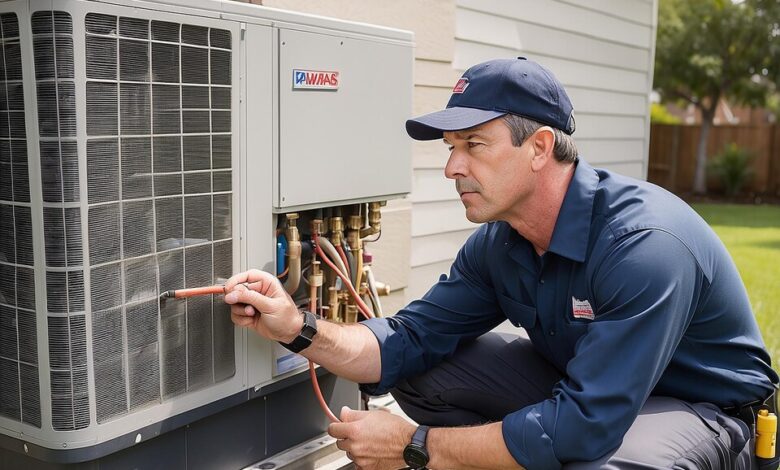
When a Texas heat wave hits, homeowners in Georgetown feel the impact immediately. Reports show that in May 2025, the temperature was around 10°F to 25°F above average. During these conditions, your HVAC system becomes essential for safety, not just comfort.
Many homeowners assume they can wait a day or two if their air conditioning struggles. During a heat wave, that delay can be dangerous. Extreme indoor heat increases health risks, damages home systems, and can turn a small mechanical issue into a major failure.
This guide explains how to respond when a heat wave strikes, what qualifies as an HVAC emergency, and when to call HVAC emergency repair Georgetown to protect your home and family.
Why Texas Heat Waves are a Serious Risk for Homes?
Texas regularly experiences prolonged heat events that strain infrastructure and home systems. According to the National Weather Service, Central Texas often sees multi-day heat waves with heat index values exceeding 105°F. These conditions significantly increase stress on residential air conditioning systems.
During heat waves, HVAC systems run longer cycles with fewer breaks. Any weak component is more likely to fail under this sustained load.
Common HVAC Failures During Heat Waves
Below are the most common HVAC failures seen during prolonged heat events—and why they escalate so fast.
- Electrical component overload
Electrical parts such as capacitors, contactors, and wiring are among the first components to fail during heat waves. These parts regulate power flow and help start and run motors.
When outdoor temperatures remain high for extended periods, electrical components overheat and lose efficiency. Capacitors may swell or fail completely, while contactors can burn or stick. Once these components fail, the system may shut down entirely or refuse to restart, turning a minor electrical issue into an emergency repair situation.
- Compressor strain and failure
The compressor is the hardest-working part of an HVAC system during a heat wave. It must compress refrigerant continuously to remove heat from inside the home while fighting extreme outdoor temperatures.
When airflow is restricted, refrigerant levels are low, or coils are dirty, the compressor overheats even faster. Prolonged overheating can cause internal damage or complete compressor failure, which is one of the most expensive HVAC repairs. Heat waves significantly increase the likelihood of this type of breakdown.
- Frozen evaporator coils during extreme heat
Although it seems counterintuitive, evaporator coils can freeze during extreme heat. This usually happens when airflow is restricted due to dirty filters, failing blower motors, or blocked ducts. Low refrigerant levels can also contribute.
When coils freeze, cooling stops, and the system is forced to work harder, placing additional strain on the compressor. If the system continues running in this condition, it can lead to widespread damage and total system failure.
- Thermostat and control board issues
High temperatures can affect sensitive electronics inside thermostats and control boards. Heat stress, power fluctuations, and voltage drops during peak electricity demand can cause communication errors between system components. This may result in erratic cycling, incorrect temperature readings, or a complete system shutdown. Control board failures often prevent the HVAC system from operating at all until repairs are made.
What to Do Immediately If Your AC Fails During a Heat Wave?
When air conditioning fails during a heat wave, the first priority is protecting health and preventing additional system damage. Quick, informed action can reduce risk while you wait for professional help.
- Safety steps homeowners can take
As soon as the AC stops working, turn the system off at the thermostat and the circuit breaker. This prevents overheating components and reduces the risk of electrical damage.
Stay hydrated, avoid strenuous activity, and monitor indoor temperatures closely. If the home begins to feel dangerously hot, consider relocating temporarily to a cooler location until repairs are made.
- Reduce indoor heat temporarily
Close blinds and curtains to block direct sunlight and limit heat gain. Avoid using heat-producing appliances such as ovens, dryers, or stovetops. Use fans to circulate air, but remember that fans cool people, not rooms, so they should be used only in occupied spaces.
Keeping doors to unused rooms closed can also help concentrate cooler air in essential living areas.
- Protecting vulnerable occupants
Children, seniors, pets, and individuals with medical conditions are more susceptible to heat-related illness. If indoor temperatures rise quickly, move vulnerable occupants to the coolest area of the home or to a nearby air-conditioned space, such as a friend’s home or a cooling center.
According to the Centers for Disease Control and Prevention, extreme heat is a leading cause of weather-related health emergencies in the U.S., making early action critical.
When to Call HVAC Emergency Repair in Georgetown?
Knowing when an HVAC issue becomes an emergency is essential during a heat wave, especially in Georgetown’s high-temperature conditions.
- Clear criteria for emergency vs non-emergency issues
An HVAC issue is considered an emergency when it threatens safety, health, or the livability of the home. Routine maintenance issues, such as scheduled tune-ups or minor airflow concerns during mild weather, are not emergencies. However, complete system failure or unsafe operating conditions during extreme heat qualify as urgent situations.
- Situations that require immediate professional help
Call for emergency HVAC repair if the AC stops working during a heat wave, if burning or electrical odors are present, if loud or sudden mechanical noises occur, if airflow drops sharply, or if indoor humidity rises rapidly. These signs indicate system stress or internal failure that can worsen quickly if ignored.
- Reinforcing urgency during heat wave conditions
During prolonged heat, indoor temperatures can rise to unsafe levels within hours. Delaying professional repair increases the risk of heat-related illness, electrical hazards, and expensive equipment damage. When comfort turns into a safety concern, contacting HVAC emergency repair Georgetown immediately is the safest and most effective decision to restore safe living conditions quickly.
Conclusion
In Georgetown, Texas heat waves can last days, straining residential HVAC systems. Air conditioning failure in these conditions can quickly become unsafe. Heat accelerates electrical overloads, compressor strain, airflow issues, and humidity issues, putting health, property, and the HVAC system at risk.
Knowing what to do, recognizing emergency warning signs, and acting quickly can make a difference. A timely HVAC emergency repair Georgetown prevents heat-related illness, protects expensive components, and restores safe indoor conditions.
FAQs
1. What qualifies as an HVAC emergency during a Texas heat wave?
When HVAC issues threaten safety, health, or livability, they become emergencies. Complete AC failure during extreme heat, burning or electrical smells, loud mechanical noises, sudden airflow loss, or rapid indoor humidity increases are examples. Heat waves can exacerbate these issues within hours, necessitating immediate attention.
2. How long can I safely stay in my home without AC during extreme heat?
No set safe time. Indoor temperatures can rise quickly without cooling, especially during multi-day heat waves. Children, seniors, pets, and people with medical conditions are at risk of heat exhaustion and heat stroke from prolonged indoor temperatures above 90°F. Emergency repairs or relocation may be needed if temperatures rise quickly.
3. Can waiting a day or two for HVAC repair cause more damage?
Yes. Repairs delayed during a heat wave often cause more damage. When stressed components overheat, major parts like the compressor can fail. Early emergency repairs save money and reduce downtime or system replacement.