

Workout mirrors are everywhere right now. Scroll social media, browse home gym setups, or look into smart fitness tech, and you’ll see them popping up again and again. Sleek screens, guided workouts, real-time feedback — they look impressive. But here’s the honest question most people don’t ask out loud: is a workout mirror actually right for you?
Because while these mirrors can be a game-changer for some people, they’re not a magic solution for everyone. And that’s okay. Fitness tools should fit real lives, not the other way around.
Let’s break it down in a real, lived-in way — who tends to love training with a workout mirror, who might struggle with it, and how to tell where you land.
What a Workout Mirror Really Brings to Your Fitness Routine
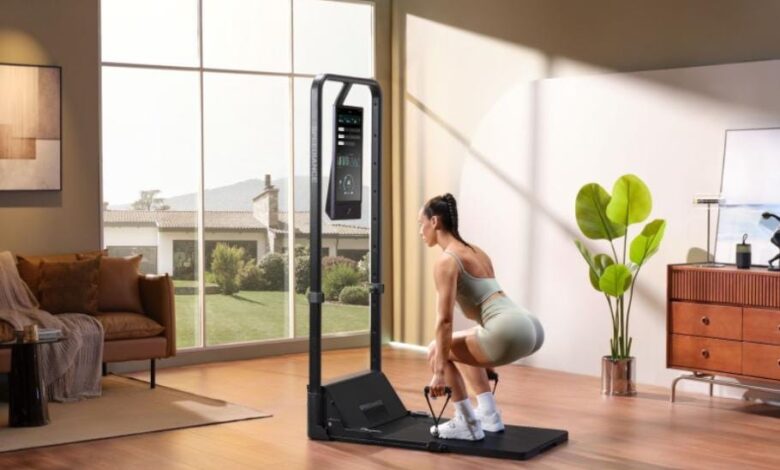
At its core, a workout mirror combines guided workouts, on-screen coaching, and form feedback into one slim piece of equipment. Instead of watching a phone propped against a water bottle or following random YouTube videos, you get structured classes right in front of you.
For many people, that structure is the difference between “I’ll work out tomorrow” and actually showing up today. Seeing a trainer move with you, hearing cues in real time, and watching your own form reflected back can quietly push you to try harder — without the pressure of a crowded gym.
But it’s not just about convenience. It’s about how you personally respond to guidance, visuals, and technology.
Who Tends to Thrive With a Workout Mirror
Some people take to workout mirrors almost instantly. It feels natural, motivating, and oddly comforting to train at home with a screen that feels interactive instead of passive.
People Who Want Guidance but Not a Gym Crowd
If you like the idea of a trainer telling you what to do, correcting your posture, and keeping the pace moving — but you don’t love packed gyms — a workout mirror makes a lot of sense. You get coaching without feeling watched.
This is especially helpful if you’re newer to strength training or trying movements you’re not fully confident with yet. Seeing yourself and the instructor at the same time helps you self-correct in a way mirrors at commercial gyms rarely do.
Busy Schedules That Don’t Leave Room for Guesswork
People with unpredictable schedules often struggle with fitness consistency. Driving to a gym, waiting for equipment, and fitting classes into fixed time slots can quietly derail progress.
A workout mirror removes that friction. You finish work, change clothes, tap the screen, and start. No commute. No planning. That ease matters more than most people admit.
For parents, remote workers, or anyone juggling a lot, this kind of home setup can be the difference between working out twice a week and not at all.
Those Motivated by Visual Feedback
Some people are visual learners. They need to see what they’re doing wrong to fix it. A workout mirror caters directly to that. You can compare your squat depth, posture, or alignment instantly.
It’s subtle, but over time, that feedback can improve form, confidence, and overall workout quality. You’re not just moving — you’re learning how to move better.
People Who Enjoy Structured Programs
Workout mirrors shine when it comes to programming. You don’t have to design workouts, track progress manually, or guess what to do next. Everything is laid out.
If decision fatigue is a real thing for you — and for many of us, it is — that structure keeps workouts from feeling overwhelming. You just follow along.
Who Might Struggle With a Workout Mirror
Now for the other side of the conversation. Workout mirrors are great, but they’re not universally perfect.
People Who Love Heavy, Traditional Lifting
If your fitness revolves around barbells, power racks, and pushing maximal loads, a workout mirror may feel limiting. While many systems offer resistance training, they’re often not designed for advanced powerlifting or Olympic lifting styles.
That doesn’t mean mirrors are useless here — they can still be great for accessory work, mobility, or technique refinement — but they might not replace a fully equipped gym for you.
Those Who Don’t Enjoy Screen-Based Workouts
Some people just don’t like working out with a screen. They prefer music, silence, or their own internal rhythm. If being guided step-by-step feels restrictive instead of motivating, a workout mirror may feel more annoying than helpful.
And that’s fine. Fitness isn’t one-size-fits-all. If autonomy fuels your workouts, you might find yourself ignoring the screen after the novelty wears off.
People Who Struggle With Self-Motivation at Home
Let’s be honest — home workouts still require discipline. A workout mirror removes many barriers, but it doesn’t magically create motivation.
If you already struggle to work out at home and rely heavily on the gym environment to stay focused, you might find yourself walking past the mirror more often than using it. In that case, the issue isn’t the technology — it’s the setting.
Anyone Expecting Instant Results Without Effort
This is a big one. A workout mirror is a tool, not a shortcut. It won’t fix inconsistent effort, poor recovery, or unrealistic expectations.
If someone expects a screen to do the work for them, disappointment usually follows. The people who benefit most are the ones who show up consistently and engage with the process.
How a Workout Mirror Fits Into Real Life (Not Just Marketing)
One thing that doesn’t get talked about enough is how workout mirrors blend into daily living. They don’t scream “gym equipment” when they’re off. They don’t dominate the room. That subtlety matters for people who don’t want their living space to feel like a fitness warehouse.
Over time, the mirror becomes part of the environment. You pass it. You see yourself. Sometimes that’s enough of a nudge to move, stretch, or squeeze in a quick session. Those small moments add up more than we realize.
So… Should You Use a Workout Mirror?
Here’s the honest answer: a workout mirror works best for people who value guidance, consistency, and convenience — and who are willing to engage with the process.
If you want structured workouts without the chaos of a gym, enjoy visual feedback, and prefer training at home, it can be a powerful addition to your fitness routine.
If you love heavy lifting, dislike screens, or already thrive in traditional gym settings, it might feel unnecessary or limiting.
The real question isn’t whether workout mirrors are “worth it” in general. It’s whether they fit your habits, preferences, and lifestyle.
When fitness tools match the way you actually live — not the way you think you should live — that’s when progress feels natural instead of forced. And for the right person, a workout mirror can quietly become one of the most consistent fitness partners they’ve ever had.