


Modern dentistry is advancing quickly, and one of the biggest innovations in recent years is the introduction of laser technology. Laser dentistry offers patients a more comfortable, efficient, and minimally invasive alternative to many traditional treatments. Whether it’s reducing discomfort during gum treatment or improving the precision of cosmetic procedures, dental lasers are transforming how patients experience dental care.
In this guide, we’ll explain how laser dentistry works, the main benefits it offers, and why it’s becoming a preferred choice for both patients and dentists across the UK.
What Is Laser Dentistry?
Laser dentistry uses focused light energy to carry out a variety of dental procedures with exceptional precision. LASER stands for “Light Amplification by Stimulated Emission of Radiation,” and in dentistry, it’s used to cut or shape soft and hard tissues in the mouth.
There are two main types of dental lasers:
- Soft tissue lasers, which are used on gums and oral tissues for treatments such as gum contouring or removing excess tissue.
- Hard tissue lasers, which are designed for procedures involving teeth and bone, like cavity preparation or removing decay.
Lasers allow dentists to target specific areas without affecting surrounding tissues safely, reducing the need for traditional tools such as drills or scalpels.
Why Laser Dentistry Is Becoming So Popular
Patients are increasingly drawn to laser dentistry because it offers a gentler experience. Traditional dental tools can cause vibration, pressure, and heat, which often contribute to discomfort or anxiety. Lasers, however, use light energy instead of mechanical force, meaning many treatments can be carried out with little to no pain and often without the need for anaesthetic.
Dentists also appreciate the precision lasers provide. They can remove only the affected tissue, leaving healthy areas untouched. This not only improves the accuracy of procedures but also promotes quicker recovery and better long-term results.
Faster Dental Procedures
One of the most noticeable benefits of laser dentistry is the reduction in treatment time. Because lasers can cut, shape, and sterilise simultaneously, procedures that once required multiple steps can now be completed more quickly.
For example, when treating cavities, lasers can remove decay and prepare the tooth for filling without the need for a drill. The precision of the laser means less tooth structure is removed, shortening the procedure and preserving more of the natural tooth.
Lasers also minimise bleeding during soft tissue treatments, reducing the time needed to control the area and clean up afterwards. For patients, this means shorter appointments and faster overall treatment.
In many cases, healing also begins more quickly after laser procedures. The laser energy stimulates the body’s natural regeneration processes, helping tissues recover faster than they would after traditional methods.
Pain-Free and Comfortable Treatments
Many people delay dental treatment because of fear or discomfort, often linked to drills or injections. Laser dentistry helps eliminate these concerns. The light energy from the laser is gentle and precise, meaning patients feel minimal pain or pressure during treatment.
For procedures involving soft tissue, lasers naturally seal nerve endings and blood vessels as they work. This reduces post-treatment soreness and swelling, making recovery much more comfortable. In some cases, patients report feeling little more than a slight warmth or tingling sensation during their procedure.
Because lasers often remove the need for anaesthetic injections, they’re especially beneficial for patients with needle anxiety or those looking to complete multiple treatments in one visit.
Greater Precision and Control
Dentists using laser technology have far more control during procedures. The focused beam allows for exact removal of damaged or diseased tissue while preserving surrounding healthy areas. This precision leads to better aesthetic and clinical results.
In cosmetic treatments, such as reshaping gum lines or removing small lesions, lasers offer millimetre-level accuracy. The result is a smoother, more symmetrical finish that enhances the natural look of the teeth and gums.
This level of control also benefits restorative procedures. When removing decay or preparing a cavity, lasers can clean and disinfect the area thoroughly, reducing the risk of future infection and improving the success of fillings or crowns.
Reduced Risk of Infection
Lasers are not just precise; they’re also naturally sterile. The heat generated by the light beam disinfects as it cuts, effectively killing bacteria in the process. This significantly lowers the risk of infection, especially in treatments involving gum tissue or exposed tooth roots.
Traditional dental tools, on the other hand, can sometimes spread bacteria between treated areas if not handled with extreme care. With lasers, this risk is minimised, providing a cleaner and safer treatment experience.
This sterilising effect also benefits patients with gum disease. Lasers can remove infected tissue and target bacteria deep within periodontal pockets without the need for invasive surgery, promoting healing and reducing inflammation.
Faster Healing and Minimal Recovery Time
After a traditional dental procedure, it’s common to experience swelling, bleeding, or discomfort for several days. Laser treatments, however, cause minimal trauma to surrounding tissue, which speeds up healing and reduces recovery time.
The laser’s ability to seal blood vessels during treatment means there’s less bleeding and fewer sutures required. Patients often notice that they can return to normal eating and speaking within hours rather than days.
Additionally, because laser dentistry reduces swelling and discomfort, fewer painkillers are typically needed after treatment. This makes it a safer and more convenient option for patients who prefer to avoid medication whenever possible.
Common Procedures That Use Laser Dentistry
Laser technology can be applied to a wide range of dental treatments, including:
- Treating tooth decay and preparing cavities for fillings
- Reshaping gums or removing excess tissue
- Treating periodontal (gum) disease
- Removing oral lesions or ulcers
- Whitening teeth
- Performing frenectomies or crown lengthening
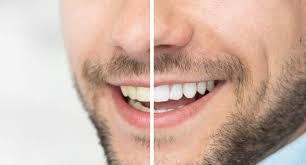
In cosmetic dentistry, lasers are particularly effective for procedures that enhance the smile’s appearance. For instance, gum contouring can create a more balanced smile, while laser teeth whitening produces faster, more even results.
Cost and Accessibility
While laser dentistry is becoming increasingly available across the UK, costs can vary depending on the complexity of the treatment and the type of laser used. Generally, laser treatments are slightly more expensive than conventional methods due to the technology involved, but many patients find the benefits — such as reduced pain and quicker recovery — well worth the investment.
Because of its growing popularity, more practices are incorporating laser equipment into both general and cosmetic dentistry. As this technology becomes more widespread, it’s expected that costs will continue to fall, making laser dentistry more accessible to all patients.
To learn about new advancements in dental technology, visitBritish Dental Association.
The Future of Painless Dentistry
Laser dentistry represents a major step forward in patient-centred dental care. With faster procedures, minimal discomfort, and improved healing, it’s changing the way people view dental visits. Patients no longer need to fear drills, needles, or long recovery times — instead, they can expect precision, comfort, and outstanding results.
As technology continues to evolve, lasers will likely play an even greater role in dentistry, offering safer, faster, and more efficient treatments across all areas of care.
Conclusion
Laser dentistry has revolutionised modern dental care by making treatments faster, gentler, and more effective. From cavity preparation to gum reshaping, this innovative approach offers precision and comfort that traditional methods can’t match.
For patients who value a pain-free and stress-free dental experience, laser dentistry provides a solution that combines cutting-edge technology with outstanding clinical results. It’s a clear sign that the future of dentistry is not just brighter, it’s also far more comfortable.