

Dental problems can happen when you least expect them. Whether it’s a sudden toothache, a broken crown, or an injury to your mouth, knowing what to do in a dental emergency can make all the difference. Acting quickly can help relieve pain, prevent infection, and even save a tooth. Many people panic when faced with sudden dental pain or trauma, but with the right information, you can take calm and effective steps to get the care you need.
This article explains when to seek emergency dental services, what to do before you reach the dentist, and how to reduce the risk of future dental emergencies.
What Is a Dental Emergency?
A dental emergency is any situation that requires immediate care to relieve pain, stop bleeding, or prevent permanent damage. Some problems can wait for a routine appointment, but others need urgent attention. Knowing the difference helps you act appropriately and avoid unnecessary discomfort.
Common dental emergencies include:
- Severe or persistent toothache
- Knocked-out or broken teeth
- Cracked or chipped teeth causing pain
- Bleeding gums that won’t stop
- Swelling in the face or jaw
- Abscesses or signs of infection
- Lost crowns, fillings, or veneers causing sensitivity
If you’re unsure whether your situation counts as an emergency, it’s better to call your professional Lee Dental & Implant Practice and describe the symptoms. They can assess the urgency and advise you on the next steps.
First Steps to Take in a Dental Emergency
When a dental emergency occurs, acting quickly and calmly is essential. Here’s what to do before you reach the dentist:
- For a severe toothache: Rinse your mouth with warm water and gently floss around the affected tooth to remove any trapped food. Avoid placing aspirin directly on the gum as it can cause irritation.
- For a knocked-out tooth: Handle the tooth by the crown, not the root. Rinse it gently if it’s dirty, and try to place it back into the socket. If that’s not possible, keep it in milk or saliva and get to a dentist immediately — ideally within 30 minutes.
- For a chipped or broken tooth: Save any fragments if possible. Rinse your mouth and use a cold compress to reduce swelling.
- For bleeding or trauma: Apply gentle pressure with a clean cloth or gauze. If the bleeding doesn’t stop after 10 minutes, seek professional help urgently.
- For swelling or abscesses: Rinse your mouth with a mild saltwater solution and avoid pressing on the affected area. Swelling could indicate infection and may require antibiotics.
The quicker you act, the better your chances of preventing further damage.
How to Find Emergency Dental Services
If your regular dentist is unavailable, you can still access emergency dental care. Many practices offer same-day appointments for urgent cases. During evenings, weekends, or holidays, NHS 111 can provide guidance and help you locate an emergency dentist in your area.
You can also find a list of local emergency dental services through the NHS. If your condition involves heavy bleeding, trauma, or severe swelling that affects breathing or swallowing, go straight to your nearest accident and emergency (A&E) department.
Private lemaclinic.com often have out-of-hours services that can treat you faster, though fees may apply. It’s worth checking in advance which dental practices near you provide emergency appointments so you know who to contact if the need arises.
Common Emergency Dental Treatments
The treatment you receive will depend on the type and severity of your dental problem. Some of the most common emergency procedures include:
- Temporary or permanent fillings to repair damage caused by decay or trauma.
- Root canal treatment to remove infection from inside a tooth and save it from extraction.
- Dental extractions if a tooth cannot be repaired or poses a risk of spreading infection.
- Re-cementing crowns or bridges that have come loose.
- Drainage of abscesses to relieve pain and prevent further infection.
Your dentist will usually provide a thorough examination, possibly including X-rays, to determine the cause of the problem before recommending treatment.
Managing Dental Pain Before Treatment
Pain is often the most distressing part of a dental emergency. While waiting to see a dentist, there are a few ways to manage discomfort safely:
- Take over-the-counter pain relief such as paracetamol or ibuprofen (following dosage instructions).
- Use a cold compress on the outside of your cheek to reduce swelling.
- Avoid very hot or cold food and drinks if your teeth are sensitive.
- Keep your head elevated when lying down, as this can help reduce pressure and throbbing.
Never attempt to treat dental pain by taking extra medication or applying substances directly to your gums, as this can cause more harm than good.
How to Prevent Dental Emergencies
While accidents can happen, many dental emergencies are preventable with good oral care and regular dental visits. Here are some simple ways to protect your teeth and gums:
- Brush twice a day with fluoride toothpaste to remove plaque and strengthen enamel.
- Floss daily to clean between your teeth and reduce gum disease risk.
- Visit your dentist regularly for check-ups and early detection of problems.
- Wear a mouthguard when playing contact sports to protect against injury.
- Avoid using your teeth to open bottles or packaging, which can lead to chips or cracks.
- Limit sugary snacks and drinks to prevent decay and cavities.
Preventive care is one of the best ways to reduce your risk of needing emergency dental treatment in the future.
Why Immediate Treatment Matters
Delaying treatment can turn a small problem into a serious one. Infections can spread quickly, leading to swelling, pain, and in severe cases, systemic illness. A cracked or knocked-out tooth can often be saved if treated promptly, but waiting too long may result in permanent loss.
Getting professional help straight away also reduces the risk of needing more complex and costly procedures later. The sooner you see a dentist, the better your outcome is likely to be.
The Role of Emergency Dentists
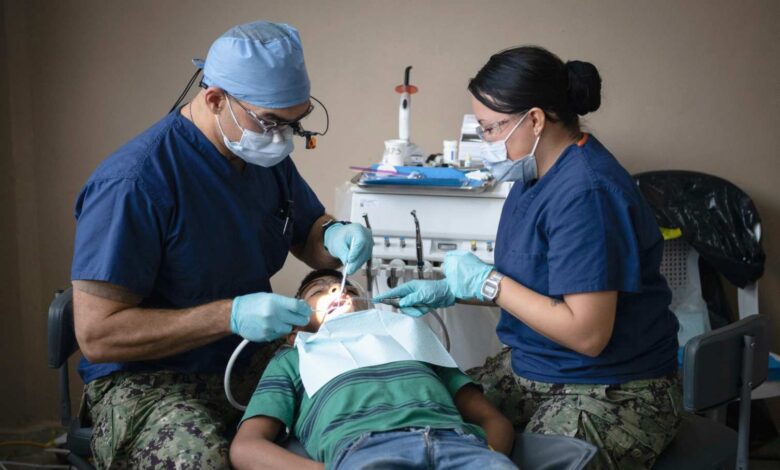
Emergency dentists are trained to handle urgent cases with care and efficiency. They can provide quick relief from pain, stop bleeding, and stabilise your condition before recommending follow-up treatment if needed.
Many emergency dental clinics use modern equipment and digital imaging to assess issues quickly. They also keep a range of materials on hand to perform temporary repairs, such as filling replacements or crown reattachments, during your visit.
If you experience frequent dental issues or are prone to accidents, consider registering with a dentist who offers same-day emergency appointments.
Conclusion
Needing urgent dental care can be stressful, but knowing what to do makes all the difference. If you experience severe pain, bleeding, or damage to your teeth, contact a dentist immediately. Take simple first-aid steps at home, such as keeping a knocked-out tooth in milk or using a cold compress for swelling, but never ignore serious symptoms.
Quick action can prevent long-term complications, save your teeth, and restore your comfort. Whether you need same-day care or after-hours help, emergency dental services are there to provide the fast, effective treatment you need to protect your oral health. By maintaining good hygiene and attending regular check-ups, you can reduce your risk of facing dental emergencies in the future.