

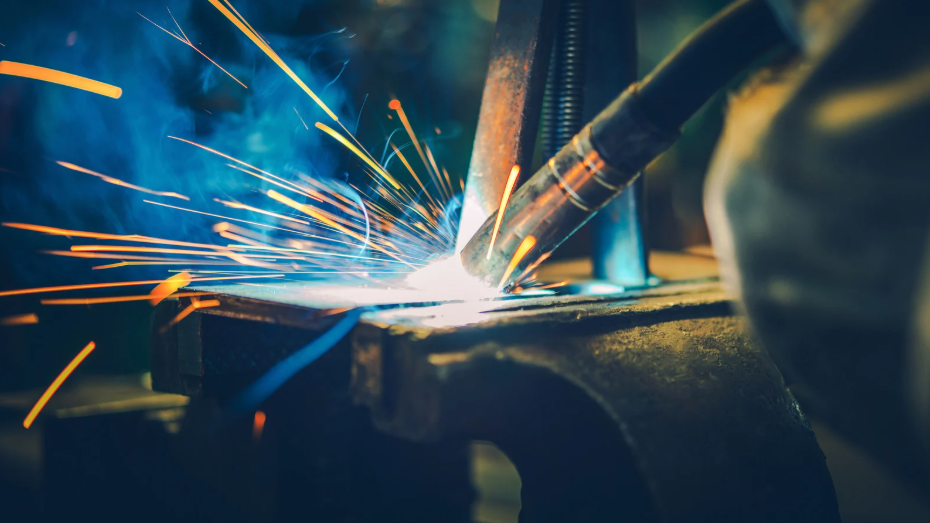
Air quality control is a critical component of maintaining a safe and productive welding and fabrication environment. Welding processes generate fumes and fine particles that can linger in the air and affect both worker health and equipment performance if not properly managed. Choosing the correct extraction solution helps ensure contaminants are captured at the source rather than spreading throughout the workspace. Early in the evaluation process, welding exhaust arms are often considered an effective option for targeted fume control due to their flexibility and precision. Understanding how to select the right extraction arm can significantly improve safety, efficiency, and long-term operational reliability.
Understanding the Role of Extraction Arms in Welding Shops
Extraction arms are designed to capture welding fumes directly at their point of origin. By positioning the hood close to the welding activity, these systems prevent smoke and particulates from dispersing into the surrounding air. This localized capture approach supports cleaner breathing zones and improves visibility within the shop.
Unlike general ventilation methods, extraction arms focus on source capture, which is widely recognized as one of the most effective ways to control airborne contaminants. Their adjustable design allows them to be repositioned as workpieces change, making them suitable for a wide range of fabrication tasks.
Key Factors to Consider When Choosing an Extraction Arm
Selecting the right extraction arm begins with evaluating the specific needs of your shop. Arm length and reach play a major role in effectiveness. Arms must be long enough to reach the welding area without restricting movement or interfering with workflow. At the same time, they should remain stable once positioned to maintain consistent capture efficiency.
Hood design is another important consideration. The shape and size of the hood influence how well fumes are captured. Proper hood selection ensures adequate airflow while minimizing turbulence that could allow contaminants to escape. Material durability also matters, as extraction arms are exposed to heat, sparks, and continuous movement during daily operations. Airflow capacity must align with the volume and type of welding performed. Higher output welding processes may require greater airflow to ensure fumes are removed effectively. Matching the extraction arm to the system’s airflow capabilities helps maintain optimal performance without overloading the filtration system.
Flexibility and Ergonomics in Daily Operations
One of the primary advantages of extraction arms is their flexibility. Well-designed arms move smoothly and hold their position once adjusted, reducing the need for frequent repositioning. This ergonomic benefit supports productivity by allowing welders to focus on their work rather than adjusting equipment.
Ergonomic design also reduces physical strain. Lightweight construction and balanced joints make it easier to position the arm precisely, which contributes to consistent use. When extraction equipment is easy to operate, it is more likely to be used correctly and regularly.
Integration With Overall Ventilation Strategy
Extraction arms are most effective when integrated into a broader air quality strategy. Understanding the best ways to ventilate a welding shop provides valuable insight into how localized extraction complements other ventilation methods. While general ventilation helps manage background air quality, extraction arms address fumes at their source, creating a more comprehensive solution. Proper integration ensures that airflow patterns support effective capture rather than working against it. Coordinating extraction arms with central filtration systems or air purification units helps maintain balanced airflow throughout the facility.
Conclusion
Selecting the right extraction arm for a welding and fabrication shop requires careful consideration of reach, airflow capacity, ergonomics, and integration with overall ventilation strategies. Well-chosen extraction arms provide precise source capture, improve air quality, and support long-term operational efficiency. By aligning equipment selection with workflow demands and safety priorities, welding facilities can create cleaner, safer, and more effective work environments.