

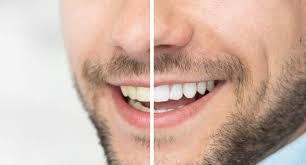
Many people begin whitening their teeth expecting a brighter and more even smile. Instead, they notice something frustrating. Some teeth appear whiter, others remain darker, and certain areas look patchy or uneven. In many cases, the difference becomes more noticeable after repeated attempts.
This outcome is more common than most people realise. Uneven whitening is not always caused by the product itself. It is often the result of how whitening is used and how teeth respond to it. Seeking advice from a teeth whitening dentist in Sydney early can help identify the cause, but many people experiment with different methods first, which can worsen the imbalance.
Understanding why whitening results become uneven is the first step towards correcting the issue safely.
Why Tooth Colour Is Not Naturally Even
Tooth colour varies naturally, even before any whitening treatment. One of the main reasons is enamel thickness. Some areas of a tooth have thicker enamel, while others are thinner. Where enamel is thinner, the underlying dentine, which has a yellow tone, becomes more visible.
Staining patterns also differ across teeth. Drinks such as coffee, tea, and wine do not affect every surface equally. Some areas accumulate more staining due to daily habits and brushing patterns. Previous dental work adds another layer of complexity. Fillings, crowns, and veneers do not respond to whitening agents, so they remain unchanged while natural teeth lighten.
These natural variations are normal, but whitening can make them more noticeable instead of reducing them.
How Improper Whitening Methods Lead to Patchy Results
Uneven whitening often comes down to how the treatment is applied. Overuse is one of the most common mistakes. Many people assume that more frequent whitening will produce faster results. In reality, repeated use can stress the enamel and exaggerate differences between areas that respond at different rates.
Application technique also matters. Whitening strips or gels do not always sit evenly across the teeth. If some areas receive more product than others, the outcome will be inconsistent. Lower-quality products can make this worse, as they may not distribute the whitening agent properly.
These issues are common because whitening is often treated as a simple cosmetic step, rather than a process that requires consistency, timing, and control.
What Happens When Whitening Is Done Incorrectly
When whitening is not managed properly, the effects can appear quickly. Patchiness is usually the first visible issue. Some parts of the teeth brighten, while others remain unchanged, creating an uneven appearance.
Sensitivity is another common result. Whitening agents temporarily make enamel more porous. When used excessively or incorrectly, this can increase discomfort when eating or drinking hot and cold foods.
In some cases, the enamel surface may appear chalky or dull. This happens when dehydration or surface changes affect how light reflects off the teeth. Instead of improving appearance, improper whitening can make teeth look less uniform and less healthy.
Why Results Differ From Person to Person
Whitening does not produce identical results for everyone. Tooth structure plays a major role. Variations in enamel thickness and mineral composition affect how whitening agents are absorbed.
The type of staining also influences results. Surface stains tend to respond well, while deeper intrinsic stains may remain visible. Existing dental restorations further complicate the outcome, as they do not change colour during whitening.
Because of these factors, two people using the same product can experience very different results. This is why a controlled approach guided by a teeth whitening dentist in Sydney often leads to more consistent outcomes.
The Overlooked Role of Hygiene and Environmental Factors
Oral hygiene is not limited to brushing and flossing. The surrounding environment can also influence results. In homes or clinics where hygiene is not well maintained, bacteria and contaminants can build up more easily.
In some cases, hidden pest activity contributes to this issue. Kitchens and bathrooms, where oral care products are often stored, can attract insects or rodents if food residue or moisture is present. These conditions increase bacterial exposure, which may affect overall oral hygiene and the effectiveness of whitening routines.
Maintaining a clean environment supports better oral health and reduces factors that can interfere with cosmetic treatments.
How Indoor Conditions Can Affect Oral Health
Building conditions also play a role in oral health outcomes. Moisture, poor ventilation, and hidden mould can affect air quality and hygiene within indoor spaces. These factors are often overlooked but can influence how well oral care routines perform over time.
During renovations or fit-outs, especially in dental clinics, addressing structural issues becomes even more important. Proper ventilation and moisture control help maintain a clean environment, which supports safer and more effective treatments.
While these factors do not directly change tooth colour, they contribute to the overall conditions that affect oral health and treatment consistency.
Why Professional Guidance Makes a Difference
Whitening may seem simple, but it involves several variables that need to be assessed properly. A professional evaluation helps identify the cause of uneven colour before treatment begins. This includes checking enamel condition, identifying existing restorations, and understanding the type of staining present.
A teeth whitening dentist in Sydney can apply treatment in a controlled and even manner, reducing the risk of patchiness and sensitivity. More importantly, professional guidance focuses on achieving consistent results rather than repeated trial-and-error attempts.
This approach not only improves outcomes but also protects the long-term condition of the teeth.
Conclusion
Uneven tooth colour often becomes worse due to improper whitening methods rather than improving with repeated use. Overuse, uneven application, and a lack of understanding can all contribute to patchy results and increased sensitivity.
At the same time, environmental factors such as hygiene conditions and indoor air quality can influence overall oral health and treatment effectiveness. Addressing both the method of whitening and the surrounding conditions leads to better and more consistent results.
A careful and informed approach, supported by professional guidance, remains the most reliable way to achieve a balanced and natural-looking smile.
FAQs
1. Why do teeth become uneven in colour?
Natural differences in enamel thickness, staining patterns, and dental restorations all contribute to uneven tooth colour.
2. Can whitening make teeth look patchy?
Yes, uneven application, overuse, and enamel variation can lead to patchy results.
3. Is it safe to whiten teeth at home?
It can be safe if used correctly, but improper use increases the risk of sensitivity and uneven colour.
4. Why do some teeth not respond to whitening?
Intrinsic stains and dental restorations such as crowns and fillings do not lighten with whitening treatments.
5. How long do whitening results last?
Results vary depending on diet, habits, and maintenance, but they gradually fade over time.
6. When should I see a dentist for whitening?
If results are uneven, sensitivity increases, or whitening is not improving your smile, professional advice is recommended.