

The Ultimate Guide to Stage Lighting for Parties, Weddings, and Entertainment

Introduction
Stage lighting plays a crucial role in shaping the atmosphere of any event, whether it’s a lively party, an elegant wedding, or a large-scale entertainment production. The right lighting setup can transform an ordinary space into a visually captivating experience, enhancing mood, highlighting key moments, and engaging audiences. From subtle ambient glows to dynamic, high-energy effects, modern lighting technology offers endless creative possibilities. This article explores the essentials of stage lighting, its types, applications, and how to choose the best options for different events.
Understanding Stage Lighting Basics
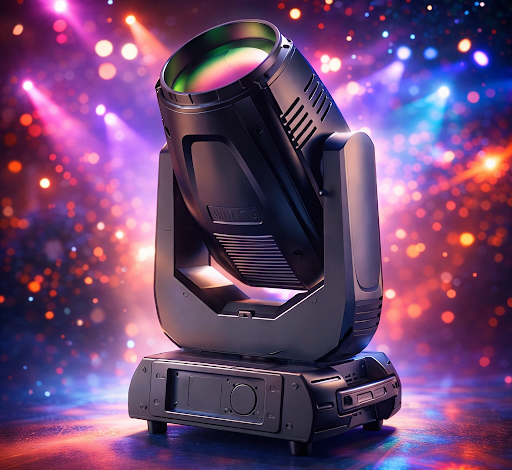
Stage lighting is more than just illumination—it is an art form that combines technology and creativity to produce visually compelling environments. One of the most versatile tools in modern lighting setups is the moving head lamp, which can rotate, tilt, and project beams in multiple directions. These fixtures are widely used in concerts, weddings, and clubs due to their flexibility and ability to create dynamic lighting effects.
The core elements of stage lighting include intensity, color, direction, and movement. By controlling these factors, lighting designers can evoke emotions, guide audience attention, and enhance performances. Whether it’s spotlighting a bride and groom during their first dance or energizing a dance floor, understanding these basics is essential for effective lighting design.
Types of Stage Lighting Fixtures
There are several types of lighting fixtures used in events, each serving a specific purpose:
- Spotlights: Focused beams used to highlight performers or key moments.
- Floodlights: Provide broad illumination for large areas.
- LED Par Lights: Energy-efficient lights that offer a wide range of colors.
- Strobe Lights: Create flashing effects for high-energy environments.
- Wash Lights: Spread soft, even light across a stage or venue.
Each type contributes to the overall lighting design, and combining them strategically can create layered, immersive effects. Modern setups often integrate programmable controls, allowing synchronized lighting sequences with music or performances.
Importance of Lighting in Weddings
Lighting is a defining element in wedding décor, influencing both aesthetics and mood. Soft, warm lighting can create a romantic atmosphere, while vibrant colors can energize the celebration during receptions. Key applications include:
- Ceremony Lighting: Gentle illumination for a serene ambiance.
- Reception Lighting: Dynamic lighting for dancing and entertainment.
- Accent Lighting: Highlighting décor elements like floral arrangements or backdrops.
Couples increasingly opt for customized lighting themes that reflect their personalities, making lighting design an integral part of wedding planning.
Enhancing Entertainment with Dynamic Lighting
In entertainment settings, lighting must be engaging, versatile, and responsive. Technologies such as beam lighting are particularly popular for concerts, DJ events, and stage performances. These lights produce sharp, focused beams that cut through the air, creating dramatic visual effects that captivate audiences.
Dynamic lighting systems often include programmable features, allowing synchronization with music beats, color transitions, and movement patterns. This level of control enables lighting designers to create immersive experiences, turning ordinary performances into unforgettable spectacles. From nightclubs to large festivals, advanced lighting setups are essential for delivering high-impact entertainment.
Choosing the Right Lighting Setup
Selecting the appropriate lighting setup depends on several factors:
- Event Type: Weddings require softer tones, while parties and concerts benefit from vibrant, dynamic lighting.
- Venue Size: Larger venues need more powerful fixtures and broader coverage.
- Budget: Balancing cost with quality is key to achieving desired results.
- Theme and Style: Lighting should complement the event’s overall design and mood.
It’s important to work with experienced professionals or reliable suppliers to ensure the equipment meets safety and performance standards. For more detailed insights and product options, exploring specialized lighting providers can be highly beneficial.
Future Trends in Stage Lighting
The stage lighting industry continues to evolve with technological advancements. Some emerging trends include:
- Smart Lighting Systems: Integration with mobile apps and automation tools.
- Energy-Efficient LEDs: Reduced power consumption with enhanced brightness and color accuracy.
- Interactive Lighting: Systems that respond to audience movement or sound.
- Compact and Portable Designs: Easier setup and transportation for event organizers.
These innovations are making high-quality lighting more accessible while expanding creative possibilities for designers and event planners.
Conclusion
Stage lighting is a vital component of any successful event, influencing both the visual appeal and emotional impact. From versatile fixtures like moving head lamps to dramatic beam lighting effects, modern technology offers countless ways to enhance parties, weddings, and entertainment experiences. By understanding the different types of lighting, their applications, and emerging trends, event organizers can create memorable atmospheres that leave lasting impressions. For those seeking more detailed information and advanced lighting solutions, visiting specialized platforms can provide valuable guidance and inspiration.