


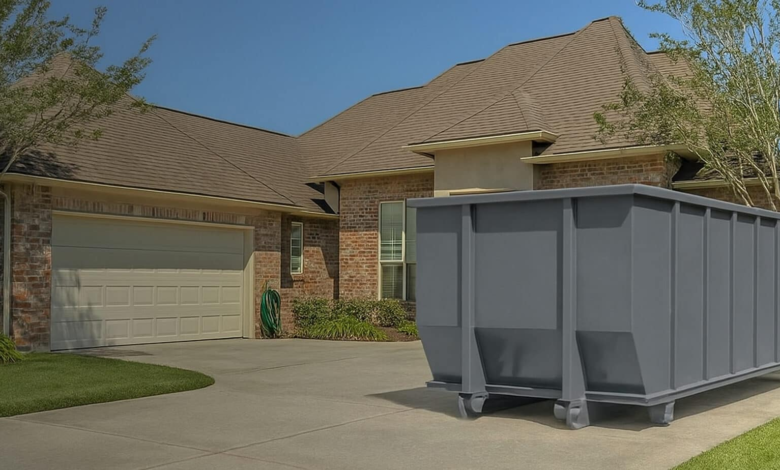
Garage conversions and home additions are among the most common residential construction projects contractors handle. Whether transforming a garage into a livable space, expanding square footage with a new room, or upgrading an existing structure, these projects involve a mix of demolition, construction, and finishing work that generates a steady flow of debris.
While much of the focus is placed on framing, electrical, plumbing, and design, waste removal plays a critical role in keeping these projects organized and on schedule. Garage conversions and additions often take place in tight residential settings where space is limited, making debris management even more important.
For contractors, planning residential dumpster rentals early in the project helps maintain efficiency, reduce labor strain, and ensure that debris does not interfere with construction progress.
Why Garage Conversions and Additions Generate Consistent Debris
Unlike large-scale construction projects that may have dedicated staging areas, residential projects generate debris in close proximity to living spaces, driveways, and neighboring properties. Garage conversions often begin with demolition work that removes existing structures such as shelving, drywall, flooring, and sometimes portions of framing.
Additions introduce another layer of debris as excavation, framing, and material cutting take place over time. The result is a continuous stream of waste rather than a single large demolition phase.
Contractors typically encounter materials such as wood framing, drywall, insulation, flooring, packaging, and miscellaneous construction debris throughout the project. Because these materials are generated across multiple phases, waste removal must be handled consistently rather than all at once.
Without a plan, debris can quickly spread across the jobsite, making it harder to maintain an organized workspace.
Limited Space Makes Waste Planning More Important
Residential construction projects rarely offer the open space available on commercial job sites. Driveways, sidewalks, and yards must often accommodate both construction activity and daily homeowner use.
This makes dumpster placement and waste handling a more strategic decision. Poor planning can lead to blocked driveways, restricted access for workers, or interference with material deliveries.
Contractors should evaluate how space will be used throughout the project, considering both current needs and how the layout may change as construction progresses. A well-placed dumpster helps maximize available space and keeps debris contained in a single, controlled area.
Managing space effectively allows crews to move freely and work more efficiently, even in tighter environments.
Coordinating Dumpster Delivery with Project Start
One of the most common issues in residential projects is delaying dumpster delivery until after demolition begins. This often results in debris piling up in the garage, driveway, or yard before a disposal solution is available.
Scheduling a dumpster before demolition starts allows contractors to remove materials immediately as they are generated. This keeps the site cleaner from the beginning and prevents early-stage clutter from slowing down progress.
Having a container ready also helps establish a clear workflow for debris removal. Workers know exactly where materials should go, which reduces confusion and keeps cleanup consistent.
Early coordination sets the tone for a more organized project.
Choosing the Right Container Size for Mixed Debris
Garage conversions and additions produce a mix of materials that vary in size, weight, and volume. Contractors need to select a container size that can handle both bulky items and heavier construction debris.
For example, framing lumber and drywall take up space quickly, while materials like tile or concrete footings add weight more rapidly. Balancing these factors is essential when choosing a dumpster.
A container that is too small may require multiple hauls, interrupting workflow and increasing costs. A container that is too large may take up unnecessary space on a residential property.
Working with providers offering residential dumpster rentals allows contractors to match container size with the scope of the project, ensuring efficient waste handling from start to finish.
Maintaining Clear Access for Crews and Deliveries
Garage conversions and additions involve frequent movement of materials and equipment. Lumber deliveries, drywall shipments, and tool access all depend on clear pathways around the property.
If a dumpster is placed without considering these logistics, it can block access points and create unnecessary delays. Contractors may need to relocate materials or adjust delivery plans, which adds time and complexity to the project.
Strategic placement ensures that:
- Delivery trucks can access unloading areas
- Workers can move materials without obstruction
- Equipment can operate safely around the site
Maintaining clear access routes keeps the project running smoothly and prevents avoidable disruptions.
Reducing Labor Through Direct Disposal
One of the biggest efficiency gains in residential construction comes from reducing how often debris is handled. When materials are piled in one area before being moved to a dumpster, workers must spend additional time relocating them.
Direct disposal into a nearby container eliminates this extra step. Workers can remove debris as they go, keeping the site clean without interrupting their workflow.
This approach reduces labor time and physical strain, allowing crews to focus on construction tasks rather than cleanup.
Over the course of a project, these small time savings can add up to significant efficiency improvements.
Managing Debris Across Multiple Project Phases
Garage conversions and additions are typically completed in stages, each generating different types of waste. Demolition produces large volumes of debris early on, while later phases generate smaller amounts of packaging and construction scraps.
Contractors should align waste removal with these phases to maintain consistent cleanup.
For example, heavy debris removal may be concentrated during the early stages, while lighter waste continues to be generated throughout the build. Having a container available for the entire duration of the project allows for continuous disposal.
This phased approach prevents buildup and ensures that debris never becomes a bottleneck.
Protecting Residential Surfaces During the Project
Dumpsters used for residential projects often sit on driveways or paved areas for extended periods. The combined weight of the container and debris can place stress on these surfaces.
Contractors should take steps to protect driveways and surrounding areas by using boards or other protective materials beneath the container. This helps distribute weight and reduces the risk of damage.
Proper placement also helps prevent shifting or settling as the container is loaded.
Protecting the property is especially important in residential settings where homeowners expect minimal disruption during construction.
Supporting Safety on Active Job Sites
Debris left in work areas can create safety hazards, particularly in projects involving confined spaces. Loose materials, sharp edges, and cluttered pathways increase the risk of trips and injuries.
Maintaining a clean site through consistent waste removal helps reduce these risks. Workers can move more freely, and tools and equipment can be used without obstruction.
A safer jobsite also contributes to better productivity, as crews can focus on their tasks without navigating around debris.
Safety and efficiency go hand in hand in residential construction projects.
Coordinating With Waste Removal Providers
Reliable waste removal services are essential for keeping garage conversion and addition projects on track. Contractors benefit from working with providers who understand the needs of residential construction.
Companies such as Waste Removal USA help coordinate container delivery, placement, and pickup to align with project timelines. This ensures that disposal services are available when needed and do not interfere with other aspects of the job.
Clear communication with providers allows contractors to adjust schedules or request additional service if project conditions change.
Professional coordination simplifies waste management and supports smoother project execution.
Avoiding Common Dumpster Planning Mistakes
Even experienced contractors can encounter issues if waste removal is not planned carefully. Some of the most common mistakes include underestimating debris volume, placing containers in inconvenient locations, and failing to coordinate with deliveries.
These issues often lead to delays, increased labor, and unnecessary frustration.
Taking the time to plan dumpster placement, size, and timing helps prevent these problems. A proactive approach ensures that waste removal supports the project rather than creating obstacles.
Attention to detail in planning leads to better overall results.
Improving Project Efficiency and Client Satisfaction
Residential construction projects often take place in occupied homes or close to neighboring properties. Maintaining a clean and organized site helps minimize disruption and improves the overall experience for homeowners.
Efficient waste management contributes to a more professional jobsite appearance and demonstrates attention to detail. Homeowners are more likely to feel confident in the progress of the project when the site is well-maintained.
Keeping debris under control also allows contractors to complete work more efficiently, which can lead to faster project completion.
Satisfied clients and efficient operations both contribute to long-term success.
Garage conversions and home additions generate continuous debris that must be managed carefully to keep projects running smoothly. In residential settings where space is limited and timelines are tight, waste removal becomes a critical part of construction planning.
For contractors, using residential dumpster rentals as part of the project strategy helps maintain organized worksites, reduce labor inefficiencies, and support steady progress across all phases of construction.
By planning ahead, coordinating placement, and managing debris consistently, contractors can ensure that waste removal enhances productivity rather than slowing it down. Proper dumpster planning allows garage conversions and additions to move forward efficiently, from the first day of demolition to the final stages of construction.
Read More Trendy Mag