

Ask any food enthusiast about their pantry staples and you’ll hear the usual suspects: olive oil, flaky salt, smoked paprika, vanilla, maybe even a jar of preserved lemons. One ingredient rarely gets a fair spotlight – tea. It’s usually written off as a drink for cold mornings or long afternoons, but tea is far more versatile than we give it credit for.
If you love food, tea deserves to sit alongside your spices, herbs, and aromatics. It brings depth, aroma, and a quiet kind of sophistication to dishes both sweet and savoury.
Tea as an Ingredient, Not Just a Beverage
The first surprise for most people is how well tea behaves like a seasoning.
A handful of loose leaves – black, green, or oolong – can completely transform a recipe:
- Smoked black tea adds warmth to marinades and rubs.
- Green tea gives a delicate bitterness to creams, custards and pastries.
- Earl Grey, with its signature bergamot, lifts shortbread or citrus glazes.
- Herbal blends can become stunning poaching liquids for fruit.
It’s one of those ingredients that sits quietly in the background until you try it, and then you wonder why you ever ignored it.
Cooking With Tea: Small Effort, Big Payoff
You don’t need to be an expert to start cooking with tea. A few simple ideas:
1. Infuse dairy
Steep tea leaves in warm milk or cream and use it for panna cotta, ice cream, crème brûlée or porridge.
The result is subtle but unforgettable.
2. Poach fruit in tea syrup
Peaches, pears, even plums soften beautifully in a syrup made with honey and fragrant tea.
It’s an easy dessert that feels restaurant-level.
3. Add tea to rice or grains
Cook jasmine rice in green tea, or barley in a smoky black tea.
The grains take on nuanced flavour without overpowering the dish.
4. Make a savoury broth
Green tea with ginger and garlic creates a clean base for noodles, dumplings, or tofu.
Think of it as a lighter alternative to stock.
Why Use Loose Leaf Tea?
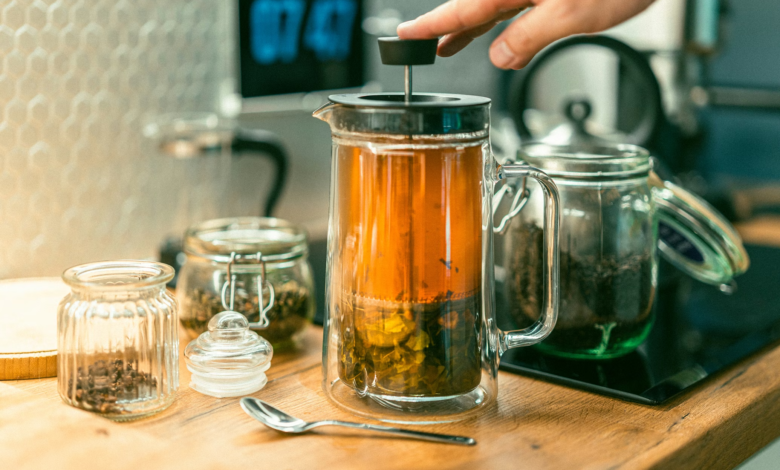
Tea bags are fine for a quick cup, but if you’re cooking with tea, loose leaf matters. The leaves are larger, aromatics are richer, and the flavour is more layered. It’s the same difference between cooking with a fresh herb versus a dusty jar that’s lived at the back of the cupboard for three years.
Quality really matters here. And because it’s now so easy to buy tea online, home cooks have access to varieties that used to be limited to specialist shops.
Pairing Tea With Food: A Forgotten Art
Tea pairing isn’t just for tasting rooms.
It works beautifully at home:
- Light green teas pair with fish, leafy salads, soft cheeses.
- Black teas stand up to roast meats, mushrooms, dark bread and chocolate.
- Oolong teas complement caramelised flavours – grilled vegetables, roasted nuts, baked apples.
Pairing tea with dessert is particularly underrated. A floral oolong with lemon tart? A malty black tea with sticky toffee pudding? Perfection.
The Comfort Factor
Food is more than flavour – it’s comfort, memory, ritual. Tea has a natural place here. A warm cup before cooking can settle your mind. A pot on the table can turn a simple meal into a slow, nourishing moment. Tea is the ingredient that asks you to pause, breathe, and pay attention.
In a kitchen full of bold spices and intense condiments, tea is gentle. But gentle doesn’t mean boring. Tea’s strength is in its subtlety, its ability to bind a meal together in a way that feels effortless.
A Pantry Staple Worth Rediscovering
Tea isn’t just a drink. It’s a seasoning, a pairing companion, a base for desserts, a quiet ritual, and a source of creativity for anyone who loves to cook.
If you’re curious where to start, look for a place where you can buy tea online and explore a few varieties you’ve never tried in the kitchen before. A smoky black blend, a grassy green, a floral oolong – each one tells a different story.
And who knows? The next favourite dish in your household might begin not with a spice, but with a spoonful of leaves.
Read More Trendy Mag