


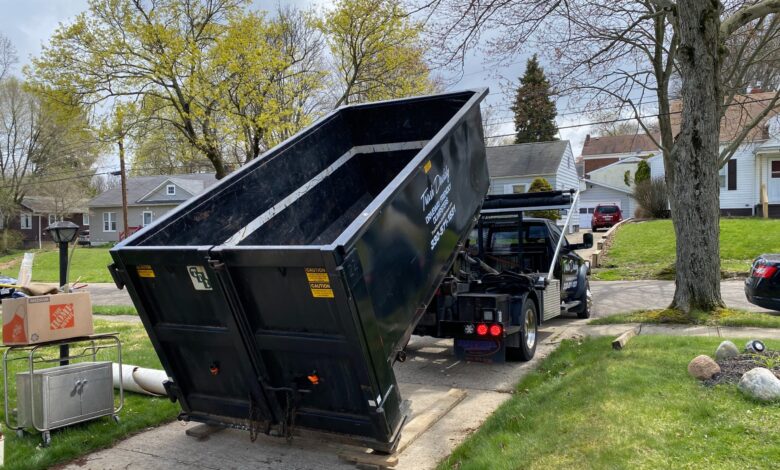
Clean work environments are not a cosmetic preference on construction sites. They are a functional requirement that affects productivity, safety, scheduling, and coordination between trades. For contractors, maintaining order on an active jobsite requires more than end-of-day sweeping. It depends on having reliable systems in place to remove debris as it is generated. Dumpster rentals play a direct role in making that possible.
When dumpsters are integrated into daily operations rather than treated as a background service, they help contractors control clutter, reduce disruptions, and maintain workspaces that support steady progress.
Centralizing Waste Disposal
One of the primary ways dumpster rentals support cleaner environments is by creating a centralized disposal point. Without a clear destination for debris, materials are often staged temporarily in corners, along walkways, or near active work zones. These piles grow quickly and become obstacles that must be dealt with later.
A properly placed dumpster gives crews a consistent place to dispose of waste throughout the day. This reduces ad hoc staging and keeps debris from spreading across the site. Over time, centralized disposal becomes part of the workflow rather than an interruption.
Encouraging Continuous Cleanup
Clean jobsites are rarely the result of occasional large cleanup efforts. They are maintained through continuous, incremental disposal. Dumpster rentals make this approach practical by allowing crews to remove debris as tasks are completed instead of waiting until the end of a phase.
When waste can be discarded immediately, it does not accumulate to a level that requires extra labor to manage. This steady removal supports cleaner work areas and reduces the need for disruptive cleanup pushes that slow production.
Reducing Trip Hazards and Obstructions
Debris left in work areas creates obstructions that affect movement and visibility. Offcuts, packaging, and demolition materials can block access paths or create uneven walking surfaces. Even small amounts of clutter can increase the risk of trips and delays.
Dumpsters support cleaner environments by keeping waste out of active areas. When crews know debris has a nearby disposal option, materials are less likely to be set aside temporarily. Clearer paths support safer movement and help maintain consistent work flow.
Supporting Trade Coordination
On most construction projects, multiple trades work in sequence or overlap. Cleanliness plays a direct role in how smoothly those transitions occur. When one crew leaves debris behind, the next crew must stop to clear space before starting work.
Dumpster rentals help standardize cleanup expectations across trades. When disposal is accessible and reliable, each crew can clear its work area before moving on. This reduces friction between teams and supports more predictable scheduling.
Improving Daily Reset and Site Readiness
Many contractors rely on daily resets to keep projects organized. At the end of each day, debris is removed so crews can start fresh the next morning. Dumpsters make this process efficient by eliminating the need to relocate waste multiple times.
A clean site at the start of the day allows crews to begin work immediately rather than spending time clearing yesterday’s debris. Over the course of a project, these small efficiencies compound into meaningful time savings.
Managing High-Output Phases Effectively
Certain phases of construction generate waste at a much higher rate than others. Demolition, framing, and rough-in work often produce large volumes of debris in short periods. Without sufficient disposal capacity, even well-organized sites can become cluttered quickly.
Dumpster rentals provide the capacity needed to keep pace with these phases. By matching container size and service frequency to peak output, contractors can maintain cleaner environments even during intensive work periods.
Reducing Labor Diverted to Waste Handling
When waste removal is inefficient, skilled labor is often diverted to managing debris. Crews may spend time moving piles, loading trucks for offsite disposal, or reorganizing work areas to regain space.
Dumpsters reduce this inefficiency by providing an immediate disposal solution. Waste handling becomes part of the work process rather than a separate task. This allows labor to remain focused on construction activities while still maintaining site cleanliness.
Supporting Professional Site Presentation
Clean work environments also affect how projects are perceived by clients, inspectors, and other stakeholders. Cluttered sites can create the impression of disorganization or stalled progress, even when work is moving forward.
Dumpster rentals help maintain a controlled site appearance by containing waste in a designated area. This supports smoother inspections, clearer communication, and a more professional presentation throughout the project lifecycle.
Adapting to Changing Site Conditions
Construction sites are dynamic. Scope changes, weather, and material delays can alter waste output unexpectedly. Dumpster rentals offer flexibility that supports cleaner environments even when conditions change.
Being able to adjust service timing or container capacity helps contractors prevent debris from becoming unmanageable during these shifts. This adaptability is essential for maintaining order when plans evolve.
Working With Providers Focused on Jobsite Cleanliness
The effectiveness of dumpster rentals depends on reliable service and an understanding of construction workflows. Providers that prioritize jobsite needs help ensure containers are delivered, serviced, and removed in ways that support cleanliness rather than disrupt it.
Many contractors work with services such as Temporary Dumpster, whose approach is designed to align with active jobsites and the realities of daily debris generation. Experience with construction environments helps keep waste removal predictable and responsive.
Long-Term Impact on Efficiency
Cleaner work environments do more than reduce visual clutter. They support better communication, safer movement, and smoother coordination across all phases of a project. Dumpster rentals contribute to this environment by providing consistent, accessible waste removal that keeps debris from interfering with work.
For contractors, the cumulative effect of cleaner sites is improved efficiency and fewer reactive decisions. When waste is managed proactively, jobsites remain functional and easier to control.
Dumpster rentals play a critical role in supporting cleaner work environments on construction sites. By centralizing disposal, encouraging continuous cleanup, and providing adequate capacity during high-output phases, they help contractors maintain order without diverting focus from productive work.
When dumpsters are integrated into daily operations and aligned with site workflow, cleanliness becomes a byproduct of good planning rather than a constant challenge. For contractors focused on efficiency and control, dumpster rentals are a practical tool that supports cleaner, more organized, and more productive work environments.