

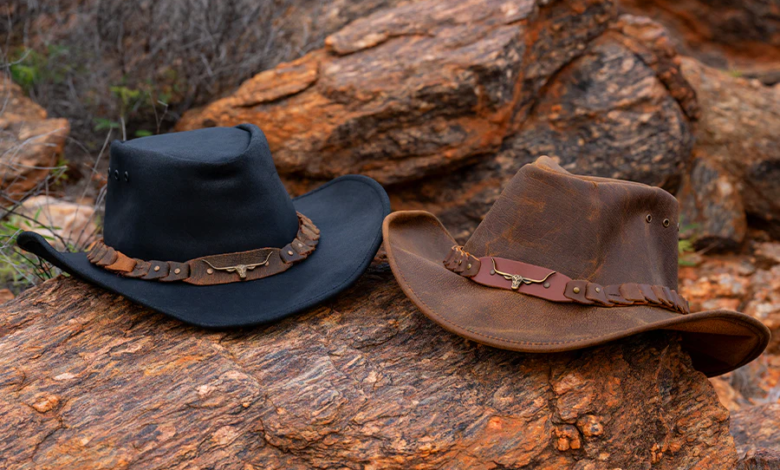
Few accessories carry the weight of landscape and legacy quite like the Australian outback hat. Born from necessity in one of the world’s harshest climates, these wide-brimmed icons have transcended their utilitarian origins to become symbols of rugged elegance recognized from Sydney to Stockholm. What began as essential protection for drovers and bushmen has evolved into a fashion statement that bridges continents and generations, proving that authentic design never goes out of style.
From the Bush to the Runway: A Fashion Evolution
The outback hat’s journey into mainstream fashion reflects a broader cultural shift toward valuing authenticity and craftsmanship. In the late 19th and early 20th centuries, these hats served a singular purpose: survival. Australian settlers, stockmen, and soldiers needed headwear that could withstand relentless sun, sudden downpours, and the physical demands of life in remote terrain. The slouch hat, adopted by the Australian military in 1885, became particularly emblematic of this practical heritage.
By the mid-20th century, something unexpected happened. As global fashion began looking beyond European capitals for inspiration, designers discovered the outback hat’s distinctive silhouette. Its high crown and generous brim offered both visual drama and functional appeal—a rare combination in accessories. Film and television amplified this transformation, with outback hats appearing in productions that romanticized the Australian frontier and introduced international audiences to a distinctly antipodean aesthetic.
Today’s fashion landscape has fully embraced what the outback hat represents: durability meeting design, tradition informing innovation. Major fashion houses have incorporated elements of outback styling into their collections, while street style photographers regularly capture the hats on influencers from Tokyo to New York. This isn’t appropriation so much as recognition—an acknowledgment that great design transcends its origins.
The Anatomy of an Icon: Materials and Construction
Understanding what makes an authentic outback hat requires examining both materials and methods. The finest examples share several defining characteristics:
- Premium felt construction: Traditionally crafted from rabbit fur felt, quality outback hats offer exceptional water resistance and shape retention. The felt-making process involves matting, condensing, and pressing fibers to create a material that’s both supple and remarkably durable.
- Architectural brim design: The wide brim isn’t merely decorative—it provides genuine sun protection, with dimensions carefully calculated to shield the face, neck, and shoulders. Brims typically measure between 2.75 and 3.5 inches, though variations exist for different purposes.
- Ventilated crown structure: The high crown creates air circulation, essential for comfort in hot climates. Many designs incorporate eyelets or mesh panels to enhance breathability without compromising structural integrity.
- Leather alternatives: While felt dominates traditional production, premium leather outback hats offer distinct advantages in wet conditions and develop rich patinas over time, telling the story of their wear.
The craftsmanship involved separates genuine outback hats from mass-market imitations. Skilled artisans shape each crown by hand, steam-blocking the felt over wooden forms that have sometimes been in use for decades. Stitching must be precise yet flexible, allowing the hat to withstand being crushed, soaked, and reshaped without losing its essential character.
Global Influence and Contemporary Relevance
The outback hat’s international appeal reflects broader trends in contemporary fashion. As consumers increasingly prioritize quality over quantity and seek items with genuine heritage, accessories like the outback hat have found new audiences. Social media has accelerated this process, with style influencers showcasing how traditional pieces can anchor modern wardrobes.
Fashion weeks in Paris, Milan, and New York have featured outback-inspired designs, though not always labeled as such. The silhouette appears in collections from designers who may never reference Australia explicitly but recognize the hat’s inherent appeal. This quiet influence speaks to the design’s strength—it doesn’t require explanation or context to register as compelling.
Celebrity adoption has further cemented the outback hat’s status. Musicians, actors, and public figures have been photographed wearing variations of the style, introducing it to demographics far removed from its agricultural origins. This celebrity endorsement often drives interest in heritage brands and traditional craftsmanship, creating market opportunities for authentic producers.
Heritage brands benefiting from renewed interest in traditional craftsmanship include Conner Hats, Akubra, and options at Huckberry. Comparing how different manufacturers communicate their production heritage—factory origins, material sourcing, generational expertise—helps distinguish authentic producers from brands simply capitalizing on outback aesthetics.
Enduring Appeal in a Disposable Age
The Australian outback hat’s persistence in global fashion reveals something important about what consumers value when given the choice. In an era of fast fashion and planned obsolescence, items built to last—and improve with age—represent a form of quiet rebellion. An outback hat purchased today can reasonably be expected to serve its owner for decades, developing character and patina that mass-produced alternatives can never replicate.
This longevity carries environmental implications worth considering. A single well-made hat that lasts twenty years has a dramatically smaller ecological footprint than a succession of cheaper alternatives. As sustainability becomes increasingly central to purchasing decisions, the outback hat’s durability positions it as an investment rather than an expense—a distinction that resonates with conscious consumers.
The hat’s versatility further explains its staying power. It transitions seamlessly from practical outdoor use to urban style statements, from festival fashion to formal occasions when paired thoughtfully. This adaptability means a single hat can serve multiple roles in a wardrobe, reducing the need for specialized accessories that see limited use.
Looking forward, the Australian outback hat seems positioned to maintain its relevance. As fashion continues cycling through trends, items with genuine heritage and proven functionality offer stability. The outback hat doesn’t need to be rediscovered or reimagined—it simply needs to be recognized for what it’s always been: exceptional design born from necessity, refined through generations, and capable of serving both practical and aesthetic purposes with equal distinction.
Whether worn on a cattle station in Queensland or a city street in London, the Australian outback hat carries its history lightly while making a statement about the wearer’s values. It suggests an appreciation for craftsmanship, an understanding of quality, and perhaps a touch of the adventurous spirit that first made these hats necessary. In a world of disposable fashion, that’s a narrative worth wearing.
Read More Trendy Mag