

Most homeowners only start thinking about roof replacement when a serious problem appears. By then, the damage has often spread beyond the roof and into the structure of the home. What many do not realise is that improving an existing roof early can prevent this situation entirely and save significant time, cost, and stress.
A proactive approach is not just about maintenance. It is about protecting your property, controlling expenses, and avoiding emergency decisions.
Why Waiting for Major Damage Leads to Higher Costs
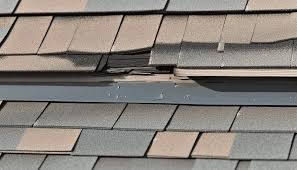
Roof damage rarely appears suddenly. It builds up over time due to weather exposure, ageing materials, and small issues that go unnoticed. A cracked tile, a loose sheet, or worn-out flashing may seem minor, but these small faults create entry points for water.
Once water enters, it spreads through insulation, timber, and ceilings. This leads to hidden damage that continues to grow. By the time the issue becomes visible, the repair is no longer simple. In many cases, it results in full roof replacement instead of minor fixes.
Acting early allows you to address problems while they are still manageable.
Extending the Lifespan of Your Existing Roof
One of the most practical benefits of early roof improvement is extending the life of your roof.
Regular maintenance, minor repairs, and targeted upgrades can significantly delay the need for roof replacement. Replacing damaged tiles, resealing joints, fixing flashing, and improving drainage all help maintain the roof’s strength.
Instead of replacing the entire roof prematurely, you get more value from your existing structure. This approach ensures that roof replacement becomes a planned decision rather than an urgent necessity.
Preventing Water Damage Before It Spreads
Water damage is one of the most destructive consequences of roof neglect. Even a small leak can lead to major internal problems if it is not addressed quickly.
Moisture can weaken timber, damage plaster, and create conditions for mould growth. These issues often remain hidden until they become severe. By improving your roof early, you prevent water from entering in the first place.
This reduces the likelihood of structural damage and delays the need for full roof replacement.
Improving Energy Efficiency and Comfort
A well-maintained roof plays a major role in regulating indoor temperature. Gaps, cracks, and damaged insulation allow heat to escape during winter and enter during summer.
Improving your roof by sealing these gaps and ensuring proper ventilation helps maintain a stable indoor environment. This reduces reliance on heating and cooling systems.
Over time, this leads to lower energy costs and improved comfort. Waiting until a full roof replacement is required often means missing out on these long-term benefits.
Avoiding Emergency Roof Replacement Situations
One of the biggest risks of delaying roof maintenance is the possibility of sudden failure. Heavy rain, storms, or strong winds can quickly expose weak points in a neglected roof.
What could have been a small repair can turn into a major leak overnight. This often forces homeowners into urgent roof replacement, which is usually more expensive and disruptive.
Improving your roof early reduces the risk of unexpected problems and allows you to plan repairs or replacement at the right time.
Protecting the Structural Integrity of Your Home
Your roof is a critical part of your home’s overall structure. When it begins to fail, the effects are not limited to the surface.
Water intrusion and ongoing exposure can weaken beams, supports, and internal frameworks. Over time, this compromises the stability of the entire property.
By addressing issues early, you protect the structural integrity of your home and reduce the chances of needing extensive roof replacement.
Maintaining Property Value and Appearance
The condition of your roof has a direct impact on the value of your property. Visible damage, leaks, or signs of neglect can reduce buyer confidence and affect resale potential.
Improving your roof before major damage sets in ensures that your property remains in good condition. A well-maintained roof enhances the overall appearance and signals that the home has been properly cared for.
This approach allows you to plan future roof replacement strategically rather than reacting to damage.
Identifying Hidden Issues Before They Escalate
Many roofing problems are not visible from the ground. Hidden issues such as internal moisture, minor structural weaknesses, or early material failure can go unnoticed.
Regular inspections and improvements help identify these problems early. This allows you to address them before they develop into larger issues.
Early detection is one of the most effective ways to reduce the likelihood of major repairs or unexpected roof replacement.
Planning Roof Replacement on Your Terms
At some point, every roof will need to be replaced. The key difference lies in how that decision is made.
Improving your roof early gives you time to plan your roof replacement properly. You can choose the right materials, schedule the work at a convenient time, and manage your budget effectively.
Without this planning, homeowners are often forced into quick decisions due to urgent damage, which can lead to higher costs and limited options.
Final Thoughts
Improving your existing roof before major damage sets in is a practical and cost-effective strategy. It helps extend the lifespan of your roof, prevents internal damage, improves energy efficiency, and protects the overall structure of your home.
Rather than waiting for problems to escalate, taking early action gives you control. When the time for roof replacement eventually comes, it will be a planned upgrade rather than a stressful emergency.
FAQs About Roof Replacement
1. How do I know if I need roof replacement or just improvements?
If the damage is minor and localised, improvements and repairs may be enough. Widespread or recurring issues usually indicate the need for roof replacement.
2. Can early maintenance really delay roof replacement?
Yes. Regular maintenance and timely improvements can extend the lifespan of your roof and postpone roof replacement for several years.
3. What are the early signs that my roof needs attention?
Water stains, cracked tiles, rust, loose materials, and blocked gutters are common warning signs.
4. Is it more cost-effective to repair or replace a roof?
In many cases, early repairs are more cost-effective. Delaying action often leads to more expensive roof replacement.
5. How often should I inspect my roof?
It is recommended to inspect your roof at least once a year and after major weather events.
6. Does roof condition affect energy bills?
Yes. A well-maintained roof improves insulation and reduces heating and cooling costs.
7. When is the best time for roof replacement?
The best time is when you can plan it, rather than waiting for severe damage to force immediate action.