

Light, Dark, or In-Between? How to Choose the Right Wood Finish for Every Room

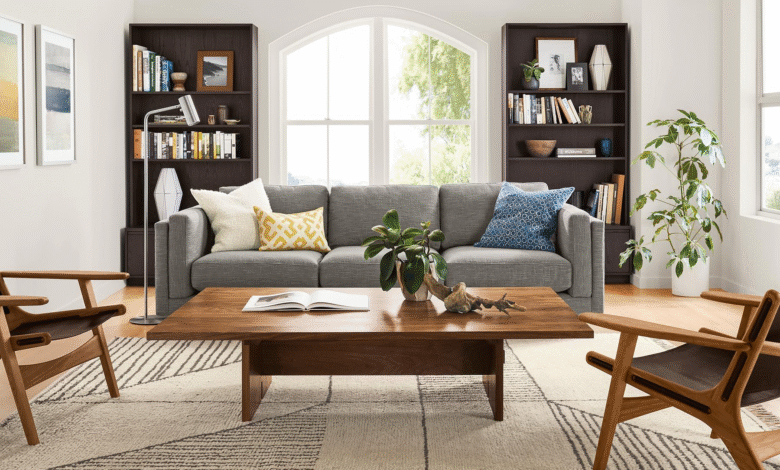
Few materials bring character and comfort to a home quite like wood. Its natural grain, texture, and warmth have a way of grounding a space, making even the most modern interiors feel more inviting. Yet choosing the right wood tone can feel unexpectedly tricky. From pale ash to rich mahogany, each shade creates a different atmosphere, and the balance between furniture, flooring, and décor can make or break the harmony of a room.
Selecting the right tone isn’t about following rules but understanding the mood each type of wood evokes and how it interacts with other elements.
Understanding Wood Undertones
Before diving into aesthetics, it helps to decode undertones, the subtle hues beneath a wood’s surface colour. Broadly, wood finishes fall into warm, cool, or neutral categories.
Warm woods, like cherry, oak, and honey maple, carry red, orange, or yellow undertones that add cosiness and vibrancy. They work beautifully in rooms that need a touch of warmth, such as north-facing spaces with limited sunlight.
Cool woods, such as ash, birch, and griege oak, have hints of grey or taupe, creating a sleek, contemporary look that pairs well with monochrome or minimalist palettes.
Neutral woods, like walnut and light pine, sit comfortably between the two, offering versatility across styles from Scandinavian to mid-century modern.
Once the undertone is clear, it becomes easier to coordinate other materials, from painted walls and fabrics to flooring and cabinetry.
Light or Dark? Setting the Mood
The depth of a wood tone influences not just how a room looks but how it feels.
Light woods reflect more light, opening up smaller spaces and creating an airy, relaxed mood. They complement coastal, Scandinavian, or modern organic interiors, where natural light and simplicity reign.
Dark woods, on the other hand, lend richness and drama. They anchor larger rooms and work particularly well with jewel-toned accents, brass fixtures, or soft neutral walls. A walnut dining table on pale oak flooring, for instance, can create a striking contrast that feels both sophisticated and grounded.
Medium woods offer the best of both worlds as they’re warm yet balanced. They can soften crisp white interiors or add warmth to modern greys, creating cohesion without overwhelming the space.
Mixing and Matching Wood Tones
Gone are the days when every wood surface had to match perfectly. Modern interiors celebrate contrast and variety, but the key lies in coordination rather than uniformity.
Start by choosing a dominant wood tone, perhaps the flooring or a statement piece like a dining table. Then, layer in complementary tones that share a similar undertone. For example, pairing warm oak flooring with walnut shelving and rattan accents maintains a sense of cohesion while adding visual interest.
Texture also plays a crucial role. Mixing matte finishes with glossy varnishes or combining raw, rustic timbers with refined polished ones prevents a space from feeling too flat. Even contrast, such as a light oak coffee table on mid-tone parquet flooring, can add depth and dimension.
Consider the Surroundings
Lighting conditions dramatically affect how wood tones appear. Natural daylight brings out true colours, while artificial light can shift hues; warm bulbs can make cool woods appear more yellow, whereas daylight LEDs enhance their neutral character. Testing samples at different times of day helps prevent surprises further down the line.
Wall colour, fabrics, and metal finishes also influence perception. Cool-toned walls often pair better with greyer woods, while cream or beige backdrops highlight warm timber beautifully. Even soft furnishings, such as linen curtains, woven rugs, or leather armchairs, can alter the overall balance of tones within a room.
Sustainability and Material Choices
As awareness around sustainability grows, choosing responsibly sourced or reclaimed woods adds another layer of meaning to interior design. Engineered options or eco-certified timbers provide an ethical alternative without compromising style. Finishes with low VOC content also promote healthier indoor air quality; a subtle but valuable consideration when selecting flooring and furniture.
Is It Worth the Effort?
When chosen thoughtfully, wood tones create emotional warmth and aesthetic balance that synthetic materials struggle to match, making it worthwhile. The right finish not only enhances the style of a home but also its sense of comfort and authenticity.
Whether you choose the freshness of pale oak, the depth of espresso walnut, or the balance of natural mid-tones, wood’s enduring appeal lies in its versatility. Each choice tells a story: one that evolves beautifully with age, light, and everyday living.
Read More Trendy Mag