

Mastering Project Success: The Definitive Guide to Using PMCanvas for Streamlined Planning, Enhanced Team Collaboration, and Strategic Execution

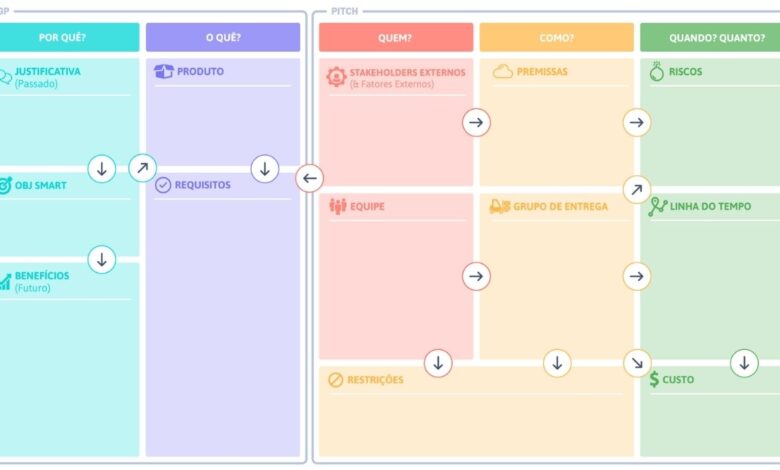
In the rapidly evolving landscape of modern business, project managers often find themselves buried under layers of documentation, making it difficult to maintain a clear strategic vision. PMCanvas emerges as a vital solution, offering a visual framework that condenses complex project details into a single, accessible page. By prioritizing macro-level insights over granular administrative tasks, this tool allows teams to align on goals, risks, and milestones efficiently. Whether you are leading a small creative team or managing large-scale industrial infrastructure, utilizing PMCanvas ensures that everyone stays connected, minimizing the potential for miscommunication and driving projects toward a successful, timely, and cost-effective completion.
| Feature | Details |
| Core Function | Visual project management and strategic alignment |
| Primary Goal | Simplifying complex project communication into a one-page overview |
| Key Elements | Purpose, Scope, Stakeholders, Risks, Milestones, and Actions |
| Target Users | Project managers, team leads, consultants, and business strategists |
| Strategic Advantage | Reduces administrative overhead and fosters team transparency |
The Philosophy Behind PMCanvas
The foundational philosophy of PMCanvas is rooted in the belief that effective project management should be intuitive rather than bureaucratic. By shifting focus from extensive paperwork to visual clarity, it encourages teams to engage with the “big picture” from the very first day. This approach is inspired by successful frameworks like the Business Model Canvas, adapting those principles to meet the unique challenges of project lifecycles. When a team uses PMCanvas, they are not just filling out a template; they are creating a shared mental model that empowers every participant to understand their contribution to the project’s overarching objectives.
Streamlining Project Initiation with PMCanvas
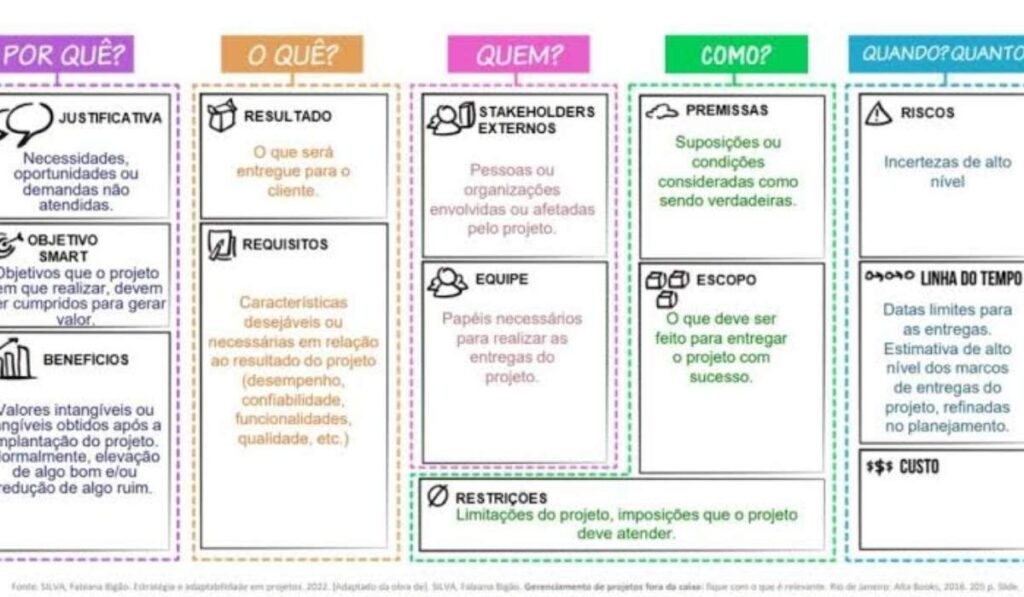
Starting a new project often involves a overwhelming amount of data, but PMCanvas simplifies this phase by forcing teams to distill their ideas into essential components. By defining the purpose and the scope early on, project leaders can set clear expectations and prevent scope creep. This initial mapping phase is critical for alignment, ensuring that stakeholders and team members have a unified vision before any heavy execution begins. When initiated correctly with PMCanvas, projects move from a abstract concept to a concrete plan, providing a robust roadmap that guides decision-making throughout the entire project duration.
Visualizing Success Criteria and Objectives
Measuring success is only possible when the criteria are clearly defined, and PMCanvas excels at documenting these markers in a visible, prominent space. Instead of hiding goals in lengthy project charters, teams list their success criteria directly on the canvas. This keeps the desired results at the forefront of everyone’s mind, encouraging proactive adjustments if the team drifts off course. By establishing both qualitative and quantitative metrics, PMCanvas helps project managers track genuine progress, ensuring that the work being done consistently aligns with the ultimate goals that the organization expects to achieve by the end of the project.
Defining Project Scope and Boundaries
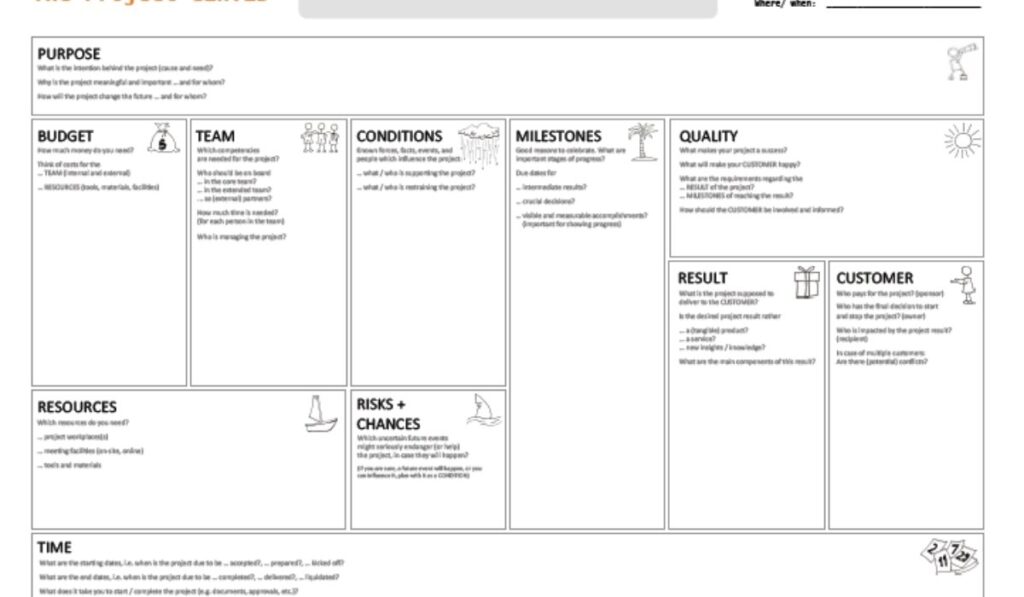
One of the most common reasons for project failure is scope creep, which PMCanvas helps mitigate by clearly outlining what is in and out of bounds. By explicitly listing the project scope in a dedicated section, teams can manage stakeholder expectations and prevent the “feature creep” that often drains resources. This clarity provides project managers with the leverage needed to say “no” to non-essential additions that would jeopardize the timeline or budget. PMCanvas serves as a permanent reference, ensuring that every task performed is directly related to the project’s defined boundaries, thus protecting the integrity of the team’s workload.
Identifying Stakeholders and User Groups
A project does not exist in a vacuum, and PMCanvas encourages managers to account for all relevant stakeholders and end-users from the outset. By mapping these individuals, teams can better understand the potential impact of their work and tailor their communication strategies accordingly. Whether dealing with internal executives or external clients, knowing who holds influence and who is affected by the project’s success is vital. PMCanvas provides a space to categorize these groups, allowing project managers to prioritize engagement and ensure that everyone’s needs are heard and addressed throughout the project lifecycle for maximum impact.
Mapping Risks and Mitigation Strategies
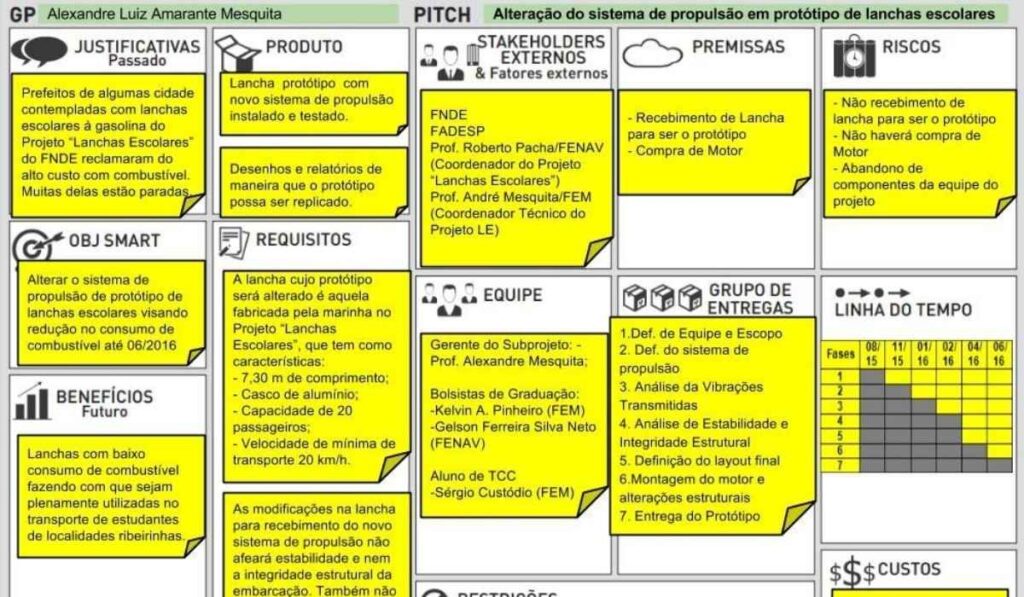
Almost every project carries inherent risks, but PMCanvas allows teams to confront them early through visual identification and strategy planning. By listing potential hurdles in a dedicated section, the team can brainstorm mitigation plans before these risks become critical roadblocks. This proactive approach transforms risk management from a reactive panic into a controlled process. When risks are visible on the canvas, they become a shared responsibility rather than an ignored elephant in the room. This visibility encourages team members to stay alert for early warning signs, ensuring that the project remains resilient even in the face of uncertainty.
Aligning Milestones and Action Plans
The path to project completion is marked by milestones and specific actions, which PMCanvas helps synchronize for better progress tracking. By visually linking milestones to the actions required to achieve them, the team can clearly see the progression of their work. This connection is vital for maintaining momentum, as it demonstrates how daily efforts contribute to larger goals. When everyone understands the roadmap, coordination becomes much smoother, reducing the time spent on status updates and increasing the time spent on high-value tasks that actually drive the project forward toward its final, successful outcome.
Managing Resources and Constraints
Every project operates under constraints, whether in budget, time, or personnel, and PMCanvas provides the perfect venue to document these limitations. By being transparent about available resources, managers can make realistic plans that avoid burnout or financial shortfall. This reality check is essential for long-term project viability. When constraints are listed alongside the scope and objectives, it becomes easier to justify resource allocation and manage expectations with stakeholders. PMCanvas thus serves as a balancing tool, helping leaders optimize their limited resources while staying within the defined limits of the project’s environmental and financial reality.
Fostering Team Collaboration Through Visualization
The collaborative nature of PMCanvas is perhaps its greatest strength, as it turns a dry planning document into a team-building asset. By filling out the canvas together—ideally in a workshop setting—team members develop a sense of ownership over the plan. This collective effort ensures that the project team is not just following orders, but actively participating in the project’s design. This shared understanding reduces the silo effect and builds a cohesive unit where everyone understands their role and how their efforts mesh with those of their colleagues to reach the final project goals.
Enhancing Communication with Stakeholders
Communication is the lifeblood of project management, and PMCanvas acts as a powerful asset for keeping stakeholders informed and engaged. Because it is a simple, one-page tool, it can be easily shared in presentations or steering committee meetings, providing an instant summary of project health. This transparency builds trust with senior management and clients alike. Instead of bombarding them with complex charts or massive reports, you provide them with a concise overview that clearly explains why the project is happening, what is being done, and where it stands at any given moment.
Adapting PMCanvas for Agile Methodologies
While PMCanvas is a versatile tool, it is particularly effective when adapted for agile teams that need to stay flexible. By using the canvas as a “living document” that is updated during sprint planning or retrospectives, teams can pivot as new information comes to light. This iterative usage transforms the canvas from a static plan into a dynamic compass. The flexibility of PMCanvas allows it to complement scrum boards and backlogs, providing the high-level context that teams sometimes lose in the day-to-day grind of managing individual tickets and tasks during complex development cycles.
Integrating PMCanvas into Corporate Culture
Adopting PMCanvas successfully often requires a cultural shift toward more visual and transparent communication. Organizations that integrate this tool into their standard project management workflows often see a decrease in administrative meeting times. By making the canvas the centerpiece of project briefings, companies can standardize how projects are pitched and reported. This consistency helps everyone from juniors to executives understand project status at a glance. As it becomes a common language across the organization, teams become faster at launching projects, more aligned on priorities, and more effective at delivering consistent, measurable results for the business.
Using PMCanvas for Personal Projects
PMCanvas is not just for corporate giants; it is an excellent tool for managing personal projects, such as home renovations, academic theses, or travel planning. The ability to break down personal goals into purpose, resources, and milestones provides clarity that helps avoid procrastination. By applying the same rigorous planning to your personal endeavors, you can ensure that you achieve your dreams with the same precision as a professional project manager. The simplicity of the PMCanvas tool makes it accessible for anyone looking to organize their life, providing a structure that turns vague ambitions into actionable plans.
Facilitating Project Kick-off Workshops
A PMCanvas workshop is one of the best ways to kick off a project, as it forces the team to talk through the most important aspects of the job. By spending 90 to 120 minutes filling in the canvas together, you ensure that everyone is on the same page from day one. This workshop environment breaks down barriers and encourages open discussion about risks and expectations. The physical act of adding sticky notes to the canvas creates a tangible sense of progress, making the project feel real and achievable to everyone who is involved in the initial launch phase.
Simplifying Complex Project Architectures
For large-scale projects involving multiple sub-teams, PMCanvas acts as a “red thread” that connects the various components together. When you have dozens of people working on different tasks, it is easy for the team to lose sight of the project’s core purpose. PMCanvas keeps the big picture visible at all times, ensuring that even those working on micro-level tasks understand how their contribution supports the larger architecture. By keeping the overview simple, you avoid the fragmentation that often plagues massive initiatives, keeping the entire organization moving in a synchronized direction toward the desired project outcome.
Best Practices for Maintaining Your Canvas
To keep PMCanvas effective, it must be kept current; an outdated canvas is arguably worse than no canvas at all. Establish a routine for reviewing and updating the canvas, perhaps during weekly status meetings or monthly steering sessions. Ensure that changes in risks or scope are immediately reflected, so the team is always working from the latest information. By treating the canvas as a living document, you ensure that it remains a reliable source of truth. A well-maintained canvas is a powerful leadership tool, signaling that the project manager is in total control of the trajectory.
The Role of Facilitation in PMCanvas Success
A good facilitator is often the secret ingredient to a successful PMCanvas session, as they ensure the discussion remains focused and productive. They manage time-boxing to prevent the team from getting lost in details and encourage participation from quieter team members. By guiding the conversation, the facilitator ensures that the canvas captures the team’s best ideas while also addressing tough questions about constraints and risks. Whether you are an internal manager or an external consultant, mastering the art of facilitation will significantly increase the value that your team extracts from every single PMCanvas planning session they hold.
Bridging the Gap Between Strategy and Execution
PMCanvas is the bridge that connects high-level strategy to daily execution, ensuring that operational tasks never drift away from corporate goals. Without this bridge, projects often fail because the team executes perfectly on the wrong things. PMCanvas forces the team to explain why they are doing what they are doing, tying every action back to the purpose and success criteria. This constant reinforcement of strategic intent makes the team more efficient and purpose-driven. It ensures that the final result of the project is not just a completed set of tasks, but a realized strategic business objective.
Leveraging Digital Tools for PMCanvas
While the physical version of PMCanvas is great for in-person workshops, digital versions on tools like Miro or Mural are essential for remote or hybrid teams. These platforms allow for real-time collaboration, meaning the canvas can be updated from anywhere in the world. Digital canvases also allow you to attach documents, links, and detailed notes to specific boxes, making it a central repository for the project. By using these tools, you can ensure that the project remains accessible and transparent, no matter where your team is located or how complex your workflow requirements happen to be.
Future Trends in Visual Project Management
As we move into the future, the integration of AI with visual tools like PMCanvas will likely revolutionize how we plan. Imagine an AI assistant that suggests risks based on your project description or automatically calculates milestone dates based on historical performance data. The future of the PMCanvas approach lies in this mix of human intuition and machine-powered insights. By continuing to focus on visual, simple, and effective communication, project managers will stay ahead of the curve, delivering even more value in an increasingly complex and fast-paced digital business world.
FAQs
- What is the main purpose of using PMCanvas?
- It provides a simple, visual one-page framework to clarify project purpose, scope, risks, and milestones, ensuring all team members are aligned.
- Is PMCanvas suitable for agile project teams?
- Yes, it is highly adaptable and can be used as a living document during sprint planning or retrospectives to maintain high-level project alignment.
- Can PMCanvas be used for projects of any size?
- Absolutely, it is effective for everything from personal tasks and small team initiatives to large-scale, complex organizational projects.
- Why is visual planning often better than text-heavy documentation?
- Visualization increases mutual understanding, reduces the risk of misinterpretation, and keeps the “big picture” visible to everyone involved at all times.
- How can I start using PMCanvas for my team today?
- You can download a free template, gather your team for a 90-minute workshop, and collaboratively fill in the 12 core elements to jumpstart your project.