


Key Highlights
• How crematoriums support families beyond the technical process
• Where crematoriums fit within broader end-of-life care
• Why care, coordination, and communication matter
• How understanding the role of crematoriums can ease uncertainty
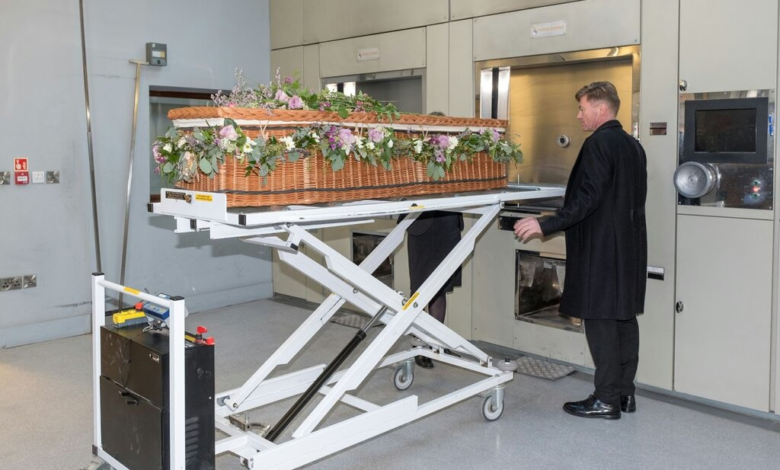
End-of-life care involves more than medical decisions or legal arrangements. It also includes the systems and services that support families after a death has occurred. Crematoriums play an important role in this stage, working quietly behind the scenes to ensure that final arrangements are carried out with care, accuracy, and respect.
For many families, crematoriums are only encountered during moments of loss. Because of this, their role is often misunderstood or reduced to a single function. In reality, crematoriums form part of a wider care network that helps families navigate a difficult transition with clarity and support.
Where crematoriums fit within end-of-life care
End-of-life care is often associated with hospitals, aged care facilities, and palliative services. While these services focus on comfort and medical support, crematoriums become involved once death has occurred and arrangements move into the next phase.
At this point, crematoriums provide continuity. They work alongside families and service providers to ensure that final wishes are carried out appropriately. This includes coordinating timing, confirming documentation, and following procedures that protect dignity throughout the process.
Rather than existing in isolation, crematoriums are part of a sequence of care that extends beyond death itself.
Supporting families during a vulnerable time
Grief affects people differently, but uncertainty can make the experience harder. Crematoriums help reduce this uncertainty by providing structure and clear processes at a time when families may feel overwhelmed.
Staff are accustomed to working with people who are navigating loss, and their role often includes answering questions, explaining what happens next, and guiding families through practical steps. This support is not clinical, but it is still an important form of care.
By handling complex procedures calmly and professionally, crematoriums allow families to focus on emotional needs rather than logistics.
The importance of dignity and respect
One of the core responsibilities of a crematorium is to ensure that every individual is treated with dignity. This principle guides how processes are carried out, how identification is managed, and how families are communicated with.
Strict protocols are followed to ensure accuracy and respect at every stage. These procedures exist not only for compliance, but to honour the trust placed in the facility by families.
For many people, knowing that their loved one is being cared for respectfully provides reassurance during a time when control can feel lost.
How crematoriums manage coordination and care
Crematoriums are responsible for coordinating multiple elements of the end-of-life process. This includes confirming authorisation, managing scheduling, and ensuring that all legal and procedural requirements are met before cremation takes place.
This coordination helps prevent delays and reduces the burden on families. Instead of navigating multiple systems alone, families can rely on crematorium staff to manage these details accurately.
Careful coordination also ensures that each cremation is handled individually, with clear records and verification throughout the process.
The role of communication in end-of-life support
Clear communication is a key part of how crematoriums support families. Explaining what will happen, when it will happen, and what to expect afterward helps reduce anxiety and confusion.
Families often have questions, even if they are unsure how to ask them. Crematorium staff are there to provide information without rushing or overwhelming those involved.
This communication helps families feel informed rather than disconnected, which can be especially important during emotionally difficult moments.
Why people search for local crematorium support
When families look for a crematorium near me, they are often seeking more than proximity. They are looking for reassurance, accessibility, and a sense that support is close at hand.
Local crematoriums can provide familiarity and convenience, particularly when families need to attend appointments or manage arrangements within a short timeframe. Being nearby can also make communication easier and more personal.
Choosing a local facility often helps families feel supported within their own community during a challenging period.
Crematoriums and changing end-of-life preferences
End-of-life care has evolved over time, with more families seeking simplicity, flexibility, and personalised arrangements. Crematoriums have adapted to these changes by supporting a wider range of preferences and approaches.
Some families choose minimal arrangements, while others incorporate remembrance in different ways. Crematoriums provide the structure that allows these choices to be carried out safely and respectfully.
This adaptability has become an important part of modern end-of-life care.
Why understanding the role of crematoriums matters
Many families only learn about crematoriums when they need one. Understanding their role ahead of time can reduce fear and replace assumptions with clarity.
When people know that crematoriums operate with care, regulation, and respect, it can make difficult decisions feel less daunting. Knowledge provides a sense of stability during a time that often feels uncertain.
Crematoriums play a quiet but essential role in end-of-life care. By supporting families with professionalism and compassion, they help ensure that final arrangements are handled in a way that honours both the individual and those left behind.