

It’s one of the most common body worries men have, and one of the least talked about. You might be in decent shape, eat reasonably well and train regularly, yet still have a soft, puffy chest that won’t flatten out. Many men feel self-conscious about it in fitted T-shirts, at the gym or on holiday. The good news is that it’s very common, and understanding what’s causing it is the first step to doing something about it.
Fat or gland? Why it matters
Not all chest fullness is the same. There are two main causes, and they need very different approaches.
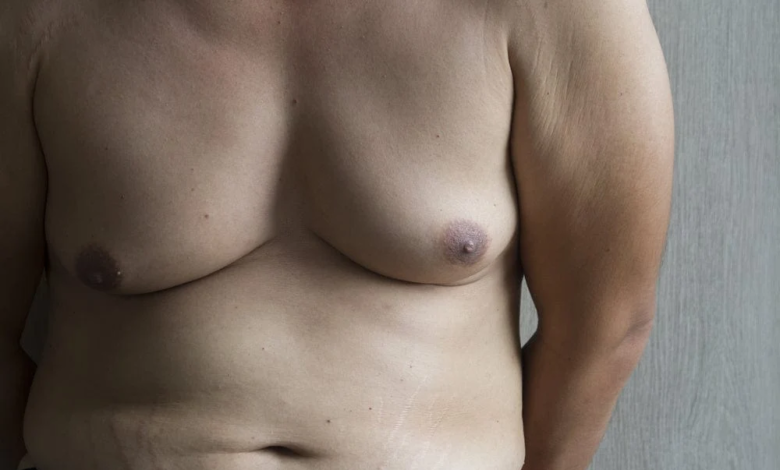
Pseudogynaecomastia is extra fat on the chest. It’s the most common cause, especially in men who have gained weight or lost weight but still have a stubborn area left behind. The chest feels soft all over, much like fat elsewhere on the body.
Gynaecomastia is an enlargement of the breast gland tissue itself, usually caused by a hormone imbalance. It often feels firmer, like a rubbery disc just behind the nipple. It can be triggered by puberty, ageing, certain medications, anabolic steroids or some health conditions.
Many men have a mix of both. If you notice a hard lump, especially on one side, pain, changes to the nipple or any discharge, see your GP before anything else.
Why the gym doesn’t always fix it
It’s natural to assume that more bench presses will solve the problem, but exercise doesn’t burn fat from one specific area. Chest exercises build the muscle underneath, which can improve your shape, but they won’t target the fat sitting on top of it. Where your body stores fat is largely down to genetics and hormones, and for many men the chest is one of the last places to slim down.
Age plays a part, too. Testosterone levels gradually fall as men get older, which can make it easier to store fat around the chest and stomach, even if your weight hasn’t changed much.
What actually helps
For chest fat, the basics make a real difference:
- Reducing overall body fat: a modest calorie deficit, with plenty of protein, helps you lose fat everywhere, including your chest.
- Strength training: building your chest, back and shoulders improves your overall shape and posture.
- Cutting back on alcohol: beer in particular adds a lot of calories, and heavy drinking can affect hormone levels.
- Better sleep: poor sleep raises stress hormones, which can encourage fat storage around the middle and chest.
For more ideas on causes and natural fixes, this guide on how to get rid of man boobs covers the options in more detail.
When the fat won’t shift
If you’re already at a healthy weight and the chest still won’t budge, it’s likely to be stubborn fat. More men are now turning to non-surgical options such as fat freezing, which cools the fat cells in a targeted area until they’re destroyed. The body then clears them away naturally. A single session typically reduces fat in the treated area by 20 to 25%, with no needles, surgery or downtime. Results show gradually: most of the change is visible at around 6 weeks, and the full result at around 12 weeks.
Fat freezing only works on fat, not gland tissue, so a good clinic will check what’s causing your chest fullness before treatment. If you’re curious whether it’s right for you, look into non-surgical male chest reduction and what it involves.
The bottom line
A fuller chest is common and nothing to be embarrassed about. Start with the basics, get any firm lumps checked, and if stubborn fat remains once you’re in good shape, know that there are effective options that don’t involve surgery.