

How Can Clinical Flooring Help With Infection Control in Medical Facilities?

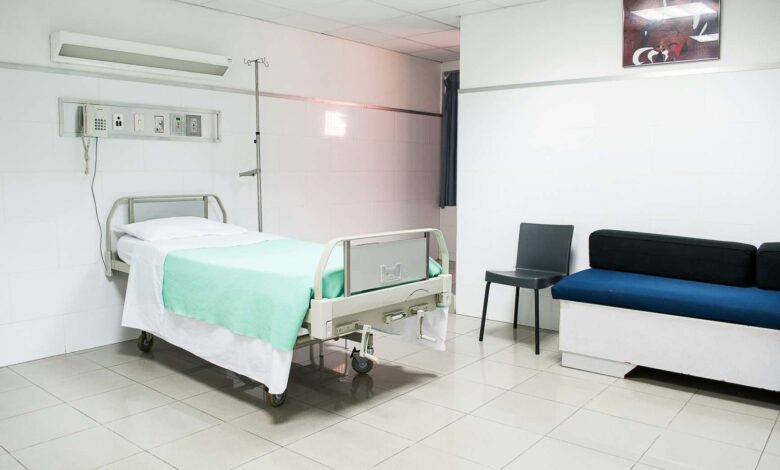
In healthcare environments, cleanliness and infection control are paramount. Every surface, from door handles to floors, plays a vital role in maintaining hygiene standards and preventing the spread of bacteria and viruses. While walls and equipment are often prioritised, flooring is one of the most overlooked elements in infection prevention. Yet, it’s also one of the most significant.
Clinical flooring — purpose-designed surfaces for medical and care settings — has become an essential component in modern infection control strategies. But how exactly does it contribute to a safer, cleaner environment? This guide explores the role of clinical flooring in infection control, the materials and design principles behind it, and why choosing the right type of flooring from Gillett Flooring can make all the difference in healthcare settings.
The Importance of Infection Control in Healthcare Environments
Infection prevention and control (IPC) is central to the day-to-day running of any healthcare facility. Hospitals, surgeries, care homes, and clinics are high-risk environments where pathogens can easily spread. The consequences of poor infection control can be severe, leading to outbreaks of healthcare-associated infections (HCAIs), increased patient recovery times, and even fatalities.
Floors are one of the largest surface areas in a facility and a common point of contact for dirt, fluids, and airborne contaminants. Every step, spill, or movement of equipment can carry and transfer pathogens. Because of this, flooring must not only be easy to clean but also be designed to minimise microbial growth and resist contamination.
What Is Clinical Flooring?
Clinical flooring refers to specialist flooring systems used in healthcare, laboratory, and care environments where hygiene, durability, and safety are top priorities. These floors are engineered with materials and finishes that resist bacteria, moisture, and chemicals.
Unlike standard commercial flooring, clinical flooring is designed to withstand the rigorous cleaning regimes required in medical settings. It offers a smooth, non-porous surface that prevents dirt and bacteria from accumulating in joints or seams.
Common settings that use clinical flooring include:
- Hospitals (wards, operating theatres, corridors)
- GP and dental surgeries
- Laboratories and research facilities
- Care homes and assisted living facilities
- Veterinary clinics
- Pharmacies and cleanrooms
Each of these environments demands flooring that supports infection control while being durable, safe, and practical for daily use.
How Flooring Can Contribute to Infection Control
1. Seamless, Non-Porous Surfaces
One of the key advantages of clinical flooring is its seamless installation. Traditional floor coverings, such as tiles or laminate, have joints and grout lines where dirt and bacteria can accumulate. In contrast, vinyl or resin-based clinical flooring is laid in continuous sheets or coatings, often heat-welded at the seams to form a watertight, smooth surface.
This seamless finish eliminates crevices where microbes could harbour and multiply, making cleaning more effective and efficient. Liquids and bodily fluids cannot penetrate the surface, reducing the risk of contamination beneath the floor.
2. Coved Edges and Skirting Integration
In clinical environments, the junction between the floor and the wall is another critical point for infection control. Traditional right-angle joints can trap dust and moisture, making thorough cleaning difficult.
Clinical flooring systems often include coved skirting — where the flooring material curves up the wall to create a smooth transition with no gap. This continuous edge ensures that bacteria have nowhere to hide and cleaning teams can easily disinfect the entire area.
3. Antimicrobial Properties
Modern clinical flooring can incorporate antimicrobial additives within the material itself. These substances help to inhibit the growth of bacteria, fungi, and mould on the surface of the floor.
While antimicrobial flooring isn’t a substitute for proper cleaning and disinfection, it provides an additional layer of protection — helping to reduce microbial load between cleaning cycles and prevent cross-contamination.
4. Resistance to Chemicals and Cleaning Agents
Healthcare facilities require frequent cleaning with strong disinfectants. Ordinary flooring materials can deteriorate under constant exposure to chemicals, creating porous or damaged surfaces where bacteria can thrive.
Clinical flooring is designed to withstand harsh cleaning regimes without breaking down. Whether exposed to chlorine-based disinfectants, alcohol-based cleaners, or steam cleaning, the surface remains intact and easy to sanitise.
5. Slip Resistance and Safety
Infection control also includes preventing accidents that could compromise cleanliness or patient safety. Slips and falls can lead to contamination of sterile areas and injuries to staff or patients.
Clinical flooring balances hygiene with anti-slip properties. It’s engineered to maintain traction even when wet, ensuring both safety and cleanability. Unlike textured safety flooring, which can trap dirt, modern clinical solutions provide slip resistance through micro-texture technology that doesn’t compromise hygiene.
6. Durability and Longevity
Frequent cleaning, high footfall, and movement of heavy equipment mean that healthcare flooring must be exceptionally durable. Damaged or worn floors can harbour bacteria, become difficult to clean, and even pose trip hazards.
Clinical flooring materials such as homogeneous vinyl and resin systems are built to last, with wear layers that resist scuffing, denting, and abrasion. The result is a hygienic surface that remains intact for many years, supporting consistent infection control performance over time.
7. Ease of Cleaning and Maintenance
Ease of maintenance is a critical factor in infection prevention. Flooring that requires minimal effort to clean reduces the risk of human error and ensures hygiene standards are maintained.
Clinical flooring’s smooth, impervious surface allows for quick and thorough cleaning. Daily maintenance routines typically involve damp mopping or mechanical scrubbing, with disinfectant application as required. Because the material doesn’t absorb liquids or stains, deep cleaning is rarely needed — saving both time and resources.
Flooring Materials Commonly Used in Clinical Settings
1. Homogeneous Vinyl Flooring
This is one of the most popular choices for medical facilities. Made from a single layer of vinyl throughout, it’s incredibly dense, durable, and non-porous. The surface can be heat-welded at the seams to create a fully sealed, watertight finish.
2. Heterogeneous Vinyl Flooring
Similar to homogeneous vinyl but made with multiple layers for added comfort and design flexibility. It still offers excellent resistance to moisture and contaminants but may be more suited to patient areas and corridors rather than sterile zones.
3. Safety Vinyl Flooring
Used in areas where slips are a major concern, such as operating theatres and wet rooms. The embedded safety particles enhance traction without creating crevices for dirt and bacteria.
4. Resin Flooring (Epoxy or Polyurethane)
Resin systems offer a seamless, highly durable, and chemical-resistant surface. They’re ideal for laboratories, cleanrooms, and operating suites where sterility and heavy-duty performance are required.
Each type has distinct benefits, but all share the same core features — durability, hygiene, and ease of cleaning — that make them integral to infection control strategies.
The Role of Installation in Infection Control
Even the best clinical flooring won’t perform properly if it’s installed incorrectly. Poor installation can lead to gaps, bubbles, or uneven seams that compromise hygiene.
Professional installation ensures:
- Seamless welding for watertight joints
- Proper subfloor preparation to prevent moisture issues
- Accurate coving for easy-to-clean wall junctions
- Correct edge detailing around fixtures and equipment
Using experienced installers familiar with healthcare environments ensures compliance with hygiene standards and long-term performance.
Beyond Infection Control: Other Benefits of Clinical Flooring
While infection prevention is the main goal, clinical flooring offers a range of additional advantages that improve the overall quality and safety of healthcare environments:
- Noise Reduction: Helps create quieter, calmer spaces for patients and staff.
- Comfort Underfoot: Provides cushioning and reduces fatigue for healthcare professionals who spend long hours on their feet.
- Aesthetic Appeal: Available in a wide range of colours and finishes, helping to create welcoming and professional spaces that support patient wellbeing.
- Sustainability: Many modern flooring systems are made with recyclable materials and low-emission manufacturing processes, supporting greener healthcare environments.
Maintaining Clinical Flooring for Ongoing Hygiene
Once installed, clinical flooring must be properly maintained to ensure its long-term hygiene and effectiveness. Key maintenance tips include:
- Implement a Regular Cleaning Schedule – Daily cleaning with approved disinfectants prevents build-up of contaminants.
- Use Correct Cleaning Products – Always use products compatible with the flooring material to avoid damage.
- Address Spills Immediately – Prevent fluids or contaminants from drying on the surface.
- Inspect for Damage – Small cuts or tears should be repaired promptly to maintain a sealed surface.
- Train Cleaning Staff – Ensure cleaners understand the importance of correct methods and materials for the specific flooring type.
By maintaining clinical flooring correctly, healthcare facilities can extend its lifespan and maintain optimal hygiene standards.
Future Trends in Clinical Flooring and Infection Control
Advancements in materials science are driving innovations in clinical flooring. Emerging trends include:
- Self-disinfecting Surfaces: Flooring incorporating silver-ion or copper-based technology to actively kill microbes.
- Sustainable Hygiene Solutions: Eco-friendly flooring materials that maintain antimicrobial performance without harmful chemicals.
- Smart Floors: Integrated sensors that monitor temperature, moisture, or traffic to optimise cleaning schedules and maintenance.
These innovations will continue to strengthen the role of flooring in healthcare infection control strategies.
Conclusion
Infection control in medical facilities requires a holistic approach — and flooring plays a far more significant role than many realise. Clinical flooring provides a hygienic, durable, and easy-to-clean foundation that directly supports patient safety and operational efficiency.
By choosing seamless, non-porous, and chemical-resistant materials, medical facilities can greatly reduce the risk of contamination and create environments that are easier to clean and maintain.
Whether in hospitals, clinics, laboratories, or care homes, investing in the right flooring system is a crucial step in building a safer, cleaner, and more compliant healthcare environment. It’s not just a design choice — it’s a critical component of infection prevention and control.