

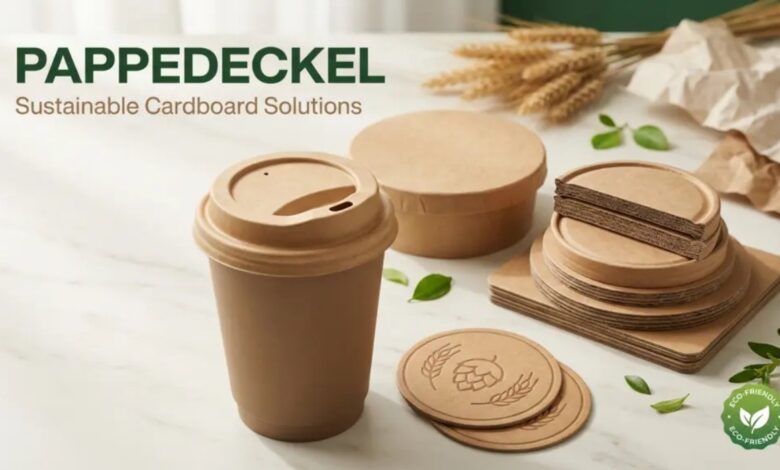
Pappedeckel is a term that many people may encounter in packaging, printing, or manufacturing contexts without fully understanding what it means. Despite sounding technical or unfamiliar, pappedeckel refers to a widely used material that has played an important role in everyday products for generations. From bookbinding and product packaging to crafts and industrial uses, pappedeckel is a practical, versatile, and often overlooked material that bridges functionality with affordability.
In this comprehensive guide, we explore pappedeckel in depth—its meaning, historical background, how it is made, where it is used, and the benefits that make it so popular across industries. By the end of this article, you’ll have a clear understanding of why pappedeckel remains relevant in both traditional and modern applications.
What Does Pappedeckel Mean?
The word pappedeckel originates from the German language and is commonly used to describe a type of thick, rigid cardboard or paperboard. It typically refers to compressed paper material that is stronger than regular paper but lighter and more flexible than wood-based boards. In simple terms, pappedeckel is a sturdy cardboard sheet made from layers of paper fibers pressed together.
Unlike thin paper or corrugated cardboard, pappedeckel is usually solid and flat, making it ideal for applications that require stability and a clean surface. It is often used where strength, shape retention, and ease of processing are important. Over time, the term has become associated with reliability and practicality in material selection.
Historical Background of Pappedeckel
The history of pappedeckel is closely tied to the evolution of paper production and recycling. As paper manufacturing expanded in Europe during the 18th and 19th centuries, industries sought ways to reuse paper waste efficiently. This led to the development of thicker paperboards made by compressing recycled paper fibers into dense sheets.
Pappedeckel became especially popular during industrialization, when affordable and lightweight materials were needed for packaging, book covers, and storage solutions. Before plastics became widespread, pappedeckel served as a go-to material for protecting goods and presenting products professionally. Its low cost and ease of production helped it gain widespread adoption across Europe and beyond.
How Pappedeckel Is Manufactured
The manufacturing process of pappedeckel begins with the collection of paper fibers, often sourced from recycled paper products. These fibers are cleaned, processed, and mixed with water to create a pulp. The pulp is then spread into sheets and pressed under high pressure to remove excess moisture and compact the fibers tightly together.
Once pressed, the sheets are dried and cut into specific sizes depending on their intended use. Some forms of pappedeckel may receive surface treatments, such as coatings or laminations, to improve durability, moisture resistance, or print quality. This relatively simple yet effective production process contributes to the material’s affordability and widespread availability.
Types of Pappedeckel and Their Differences
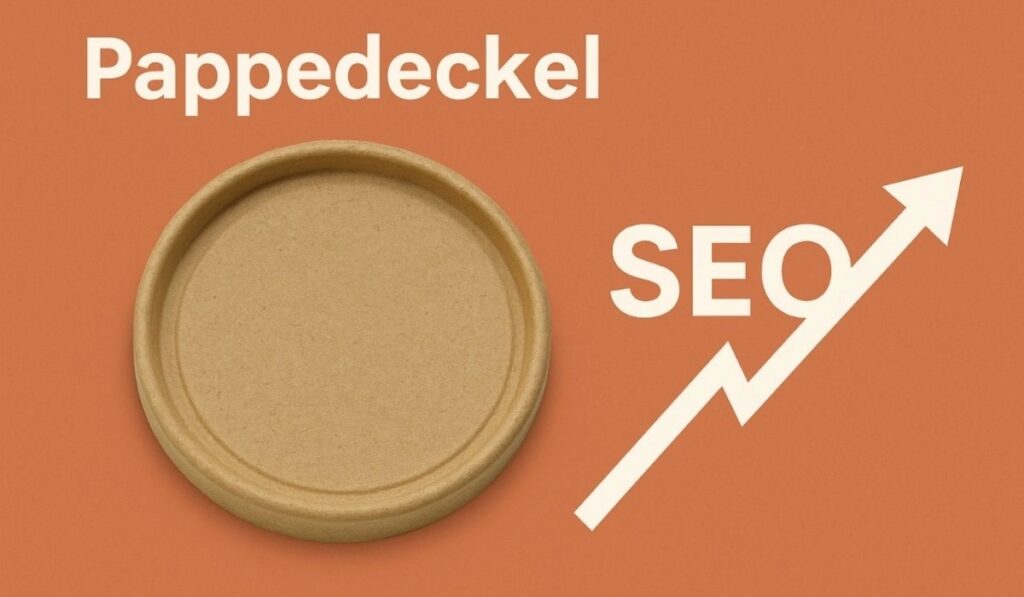
Not all pappedeckel is the same. There are several types, each designed for specific applications. Greyboard pappedeckel, for example, is commonly used in bookbinding, folders, and backing boards due to its rigidity and cost-effectiveness. White or coated pappedeckel is often chosen for packaging and presentation purposes because it provides a clean, printable surface.
There are also variations in thickness and density, allowing manufacturers to select the right type for their needs. Thicker pappedeckel offers greater structural strength, while thinner versions are easier to cut and fold. These variations make pappedeckel a flexible solution for a wide range of industries.
Common Uses of Pappedeckel
One of the reasons pappedeckel remains so popular is its versatility. In the publishing industry, it is widely used for hardcover books, notebooks, and binders. The material provides a firm structure while remaining lightweight, making it ideal for items that are handled frequently.
In packaging, pappedeckel is used for boxes, inserts, and protective layers that keep products secure during transport. It is also commonly found in stationery products, puzzles, board games, and display stands. Even in arts and crafts, pappedeckel is favored for its ease of cutting, shaping, and gluing.
Benefits of Using Pappedeckel
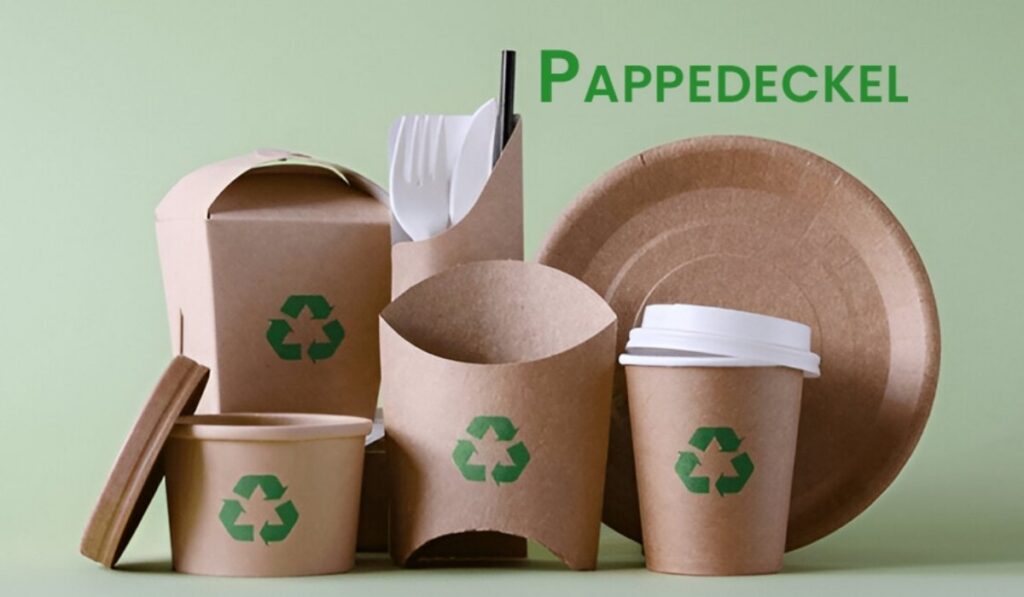
There are several key benefits that make pappedeckel a preferred material across industries. One of its biggest advantages is cost-effectiveness. Compared to plastic or wood-based materials, pappedeckel is significantly cheaper to produce and process, making it ideal for large-scale manufacturing.
Another major benefit is its lightweight nature. Pappedeckel provides structural support without adding unnecessary weight, which is particularly important in shipping and logistics. Additionally, it offers excellent printability, allowing brands to customize packaging and products with high-quality graphics and text.
Sustainability and Environmental Impact of Pappedeckel
In today’s environmentally conscious world, the sustainability of materials is more important than ever. Pappedeckel stands out as an eco-friendly option because it is often made from recycled paper fibers and can be recycled again after use. This circular lifecycle helps reduce waste and conserve natural resources.
Compared to plastic-based alternatives, pappedeckel has a lower environmental footprint and breaks down more easily in recycling systems. Many companies choose pappedeckel specifically to align with sustainability goals and meet consumer expectations for environmentally responsible packaging.
Pappedeckel in Modern Industries
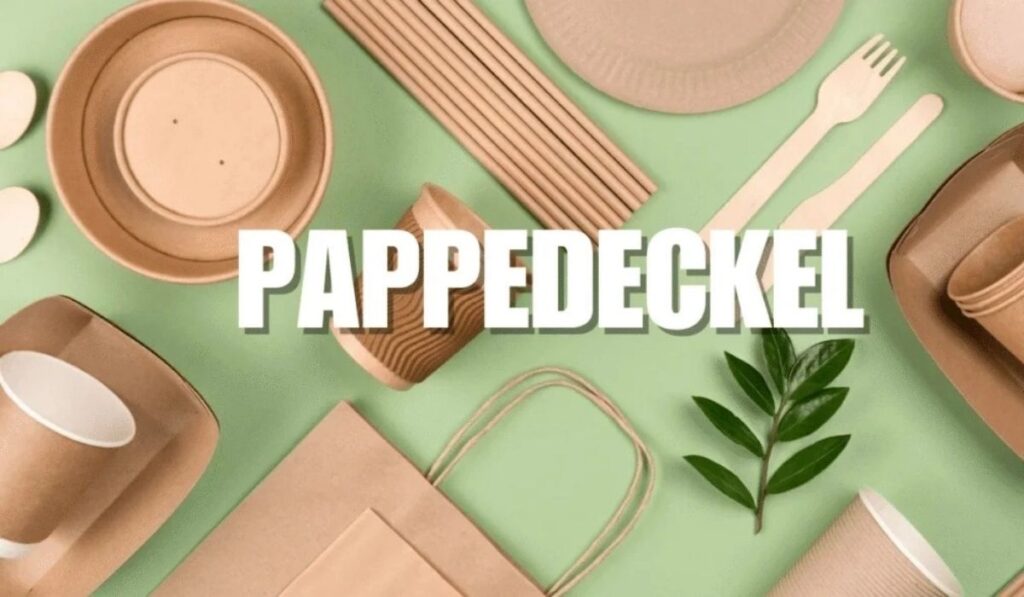
Despite the rise of digital products and synthetic materials, pappedeckel continues to play an important role in modern industries. In e-commerce, it is widely used for protective packaging inserts that ensure products arrive safely. In retail, it is used for shelf displays and promotional materials that need to be both durable and visually appealing.
Even in the design and creative industries, pappedeckel remains relevant. Designers appreciate its tactile quality, ease of customization, and natural appearance. These qualities make it a popular choice for premium packaging and handmade goods.
Comparing Pappedeckel With Other Materials
When compared to alternatives like plastic, foam board, or MDF, pappedeckel offers a balanced combination of strength, affordability, and sustainability. While plastic may provide better water resistance, it lacks recyclability. Wood-based boards offer strength but are heavier and more expensive.
Pappedeckel sits in the middle, offering enough rigidity for most applications while remaining lightweight and environmentally friendly. This balance is why it continues to be used even as new materials emerge.
Challenges and Limitations of Pappedeckel
While pappedeckel has many advantages, it is not without limitations. One of its main drawbacks is sensitivity to moisture. Without protective coatings, pappedeckel can absorb water and lose structural integrity. This makes it less suitable for environments with high humidity or exposure to liquids.
Additionally, pappedeckel may not provide the same level of durability as plastic or metal in heavy-duty applications. Understanding these limitations helps manufacturers and consumers choose the right material for their specific needs.
Future of Pappedeckel
The future of pappedeckel looks promising, especially as sustainability becomes a key focus across industries. Innovations in coatings, treatments, and recycling processes are improving the material’s durability and performance. As businesses seek alternatives to plastic, pappedeckel is likely to remain a valuable solution.
With increasing demand for eco-friendly materials, pappedeckel is expected to evolve while maintaining its core benefits of affordability, versatility, and recyclability.
Final Thoughts on Pappedeckel
In conclusion, pappedeckel is far more than just thick cardboard. It is a practical, sustainable, and widely used material with a rich history and a strong presence in modern industries. From packaging and publishing to crafts and design, pappedeckel continues to prove its value through versatility and reliability.
Understanding what pappedeckel is and how it is used helps consumers and businesses make informed decisions. As sustainability and efficiency remain top priorities, pappedeckel’s role is likely to grow even further in the years ahead.
Frequently Asked Questions (FAQs)
1. What is pappedeckel?
- Pappedeckel is a thick, rigid type of cardboard made from compressed paper fibers.
2. Is pappedeckel environmentally friendly?
- Yes, it is often made from recycled paper and is recyclable.
3. Where is pappedeckel commonly used?
- It is used in packaging, bookbinding, stationery, crafts, and displays.
4. Is pappedeckel the same as regular cardboard?
- No, it is denser and more rigid than standard cardboard.
5. Can pappedeckel be printed on?
- Yes, especially coated types designed for high-quality printing.