

How Often Should You Service Your Hot Water System? (And What Happens If You Don’t)

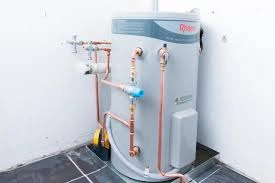
Hot water systems are one of the most heavily used appliances in any home, yet they’re often the most neglected. Many homeowners don’t think about maintenance until something goes wrong, whether it’s cold showers, strange noises, or a sudden breakdown.
The reality is simple: regular servicing is essential to keep your system running efficiently, safely, and reliably. Without it, small issues build up over time and turn into expensive problems. This is why routine maintenance from Hot water service Adelaide professionals is not just recommended, it’s necessary.
Recommended Service Frequency
Most hot water systems should be serviced every 1–2 years. This is the general guideline across manufacturers and plumbing professionals, although the exact timing can vary depending on your system type, water quality, and household usage.
For standard tank systems, annual servicing is often ideal. This typically includes flushing the tank, inspecting components, and checking for early signs of wear. In areas with hard water or higher mineral content, servicing may need to be more frequent, sometimes every 6 to 12 months. This is because minerals like calcium and magnesium build up faster, forming sediment inside the tank.
Tankless systems also require maintenance, though the process is slightly different. Instead of flushing a tank, they are usually descaled to remove mineral buildup. The key takeaway is consistency. Whether annually or every two years, sticking to a maintenance schedule helps prevent issues before they start.
What Happens If You Skip Servicing
Skipping regular servicing doesn’t cause immediate failure, but it sets off a chain of problems that worsen over time. One of the biggest issues is sediment buildup. As water is heated, minerals separate and settle at the bottom of the tank. Over time, this creates a thick layer that interferes with the heating process.
This buildup acts like insulation between the heating element and the water, forcing the system to work harder. The result is reduced efficiency and higher energy consumption. In some cases, efficiency can drop by as much as 15–25%. As the system struggles, energy bills increase. What seems like a minor maintenance issue gradually becomes a financial burden.
Sediment can also cause overheating. When heat gets trapped beneath the buildup, it creates pressure and stress inside the tank. Over time, this can damage internal components and shorten the lifespan of the unit. In more severe cases, corrosion and leaks may develop. Once the tank begins to fail, replacement is often the only option.
Put simply, skipping servicing turns a manageable maintenance task into a costly repair, or even a full system replacement.
Early Warning Signs You Shouldn’t Ignore
Hot water systems rarely fail without warning. In most cases, they show clear signs that something isn’t right. One of the most noticeable signs is discoloured water. If your hot water appears rusty or cloudy, it may indicate corrosion or sediment buildup inside the tank.
Strange noises are another common indicator. Rumbling or popping sounds usually occur when sediment is being heated at the bottom of the tank. Inconsistent water temperature is also a warning sign. If your water fluctuates between hot and cold or takes longer to heat, it may be due to reduced efficiency caused by internal buildup.
You may also notice reduced water pressure or slower flow from hot taps. This can happen when sediment begins to restrict water movement within the system. These signs should never be ignored. They are early indicators that your system needs attention, and delaying action will only make the problem worse.
Why Regular Servicing Matters
Routine servicing is about more than just preventing breakdowns. It plays a crucial role in maintaining overall system performance.
- First, it improves efficiency. Removing sediment and inspecting components allows the system to operate as intended, using less energy to heat water.
- Second, it extends the lifespan of the unit. Most hot water systems are designed to last between 8 and 12 years, but proper maintenance can significantly increase this lifespan.
- Third, it reduces the risk of unexpected failures. Regular inspections help identify worn parts, leaks, or potential issues before they become serious.
- Finally, it ensures safety. Hot water systems operate under pressure and high temperatures, so maintaining safety components, such as valves and thermostats, is essential.
This is why many homeowners rely on Hot water service Adelaide specialists to handle routine maintenance professionally.
What Professionals Actually Do During a Service
A professional service goes far beyond a quick check. When you book a Hot water service Adelaide, technicians typically carry out a detailed inspection and maintenance process. This includes flushing the tank to remove sediment, which is one of the most important steps in maintaining efficiency.
They also inspect key components such as the anode rod, which protects the tank from corrosion. If this part is worn, it can be replaced before it leads to internal damage. Pressure relief valves are tested to ensure they are functioning correctly and safely. Connections, fittings, and pipes are checked for leaks or wear, and the system is assessed for overall performance.
For tankless systems, descaling is performed to remove mineral buildup from internal components. This comprehensive approach ensures that every part of the system is working as it should.
The Cost of Maintenance vs the Cost of Neglect
Many homeowners delay servicing to save money, but this often leads to higher costs in the long run.
Routine maintenance is relatively affordable and predictable. It helps prevent major repairs and extends the life of your system.
On the other hand, neglecting servicing can result in:
- Higher energy bills due to reduced efficiency
- Costly repairs from damaged components
- Premature system replacement
- Potential water damage from leaks
When you compare these outcomes, regular servicing is clearly the more cost-effective option. Investing in maintenance today can save you thousands in future repairs or replacements.
Conclusion
Your hot water system works every day, often without any attention, until something goes wrong. Servicing it every 1–2 years keeps it running efficiently, reduces energy costs, and prevents unexpected breakdowns. Ignoring maintenance leads to sediment buildup, reduced performance, and eventually system failure.
The good news is that these problems are entirely preventable. By scheduling regular maintenance with Hot water service Adelaide professionals, you can extend the life of your system and ensure consistent, reliable hot water in your home.
FAQs
1. How often should I service my hot water system?
Most systems should be serviced every 1–2 years, though homes with hard water may require more frequent maintenance.
2. What happens if I don’t service my hot water system?
Sediment buildup reduces efficiency, increases energy bills, and can eventually cause system failure.
3. What are the signs my system needs servicing?
Discoloured water, strange noises, inconsistent temperatures, and reduced pressure are common warning signs.
4. Can I service my hot water system myself?
Basic maintenance, like flushing, may be possible, but professional servicing ensures all components are properly inspected and maintained.