


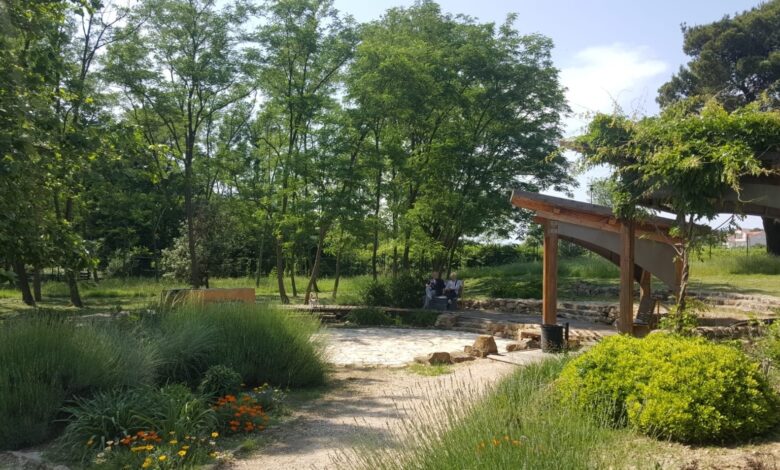
Some days, it feels like there’s no off switch. Notifications buzz, responsibilities pile up, and even downtime can be restless. It’s no surprise that more people are searching for calm in the simplest place possible—their own gardens.
Through scent, texture, movement, and mindful planting, ordinary outdoor areas are transformed into true sanctuaries where wellbeing comes first.
Here’s a look at why therapeutic gardens are gaining momentum and how they will change the way you think about your own space and health.
What Are Therapeutic Gardens
They are outdoor spaces intentionally designed to support mental, emotional, and even physical well-being. Unlike traditional gardens that focus primarily on appearance, these spaces are shaped around how they make you feel.
Every element has a purpose. Water features, subtle colour palettes, and natural materials all work together to reduce overstimulation and promote calm.
The best thing about these gardens is that they are not particularly limited to large landscapes or specialist settings.
They can be expansive courtyards in healthcare environments, community green spaces designed for connection, or simply a beautifully arranged corner in your own private garden.
What defines them is a deliberate focus on creating a space that restores rather than overwhelms. At their core, therapeutic gardens are built on an idea that many of us already feel instinctively: that time spent with plants is profoundly grounding.
Mental Health Benefits
Spending time in a garden designed with wellbeing in mind supports the mind in ways that busy, screen-filled routines rarely allow.
When surrounded by greenery, the body naturally calms down and anxiety lifts. Breathing becomes deeper, shoulders relax, and the constant stream of thoughts that often fills the day starts to quieten.
The simple presence of plants, natural light, and fresh air creates an environment where it’s easier to reset. Therapeutic gardens strengthen this effect because every element is chosen to ease the senses rather than stimulate them.
Taking part in simple gardening tasks also provides significant benefits to your mental health. Watering, trimming, or planting bulbs gives the mind something gentle and manageable to focus on.
Attention shifts away from digital noise and daily pressures, settling instead on how the soil feels, the scent of herbs, or the sound of leaves moving in the breeze. This engagement encourages a natural form of mindfulness.
Physical Health Advantages
Therapeutic gardens support your body’s conditioning as well. Even gentle activities like planting, pruning, or raking encourage movement, which improves circulation, flexibility, and balance.
Unlike rigorous exercise routines, these tasks are natural and purposeful, making it easier to stay active without pressure or strain.
Being outdoors also exposes the body to fresh air and sunlight, which boosts energy levels and supports healthy Vitamin D production.
Besides, the combination of natural light, greenery, and mild physical activity reduces tension and can improve posture over time, particularly for those who spend long hours sitting indoors.
In therapeutic gardens, water features and soft pathways are often incorporated with physical comfort in mind, offering smooth surfaces to walk on and places to pause and stretch.
Additionally, the multisensory nature of these gardens indirectly supports physical health. Calming sights, sounds, and scents lower stress hormones, which in turn reduce headaches, muscle tightness, and blood pressure.
Design Elements
What makes a garden truly therapeutic is how the space feels as you move through it. Every feature, from the layout to the smallest detail, works together to create a sense of ease and connection with nature.
Curving, meandering walkways invite you to slow down, notice textures, and take in the surrounding greenery. Materials like smooth stone, soft gravel, or natural timber not only feel pleasant beneath your feet but subtly engage your sense of touch.
Seating areas are tucked into corners or open clearings, offering opportunities to pause and absorb the fragrances of herbs, the gentle rustle of leaves, or the sparkling movement of water.
Plant choice is central to the overall experience. A mix of scented herbs, flowering perennials, and layered foliage creates variation that delights the senses without overwhelming them.
Taller grasses and shrubs can frame intimate pockets of the garden, giving a sense of privacy and protection, while low-growing plants and ground cover invite closer inspection. Colours are chosen deliberately to soothe the eyes and foster a sense of balance.
Water elements bring their own subtle magical effect. The sound of a trickling fountain, babbling stream, or reflective pond has a calming, almost meditative quality. It masks distant noise and adds a rhythmic, living element that encourages stillness and focus.
How to Create Your Own Therapeutic Garden
Begin by considering how you want the garden to feel. Take a moment to note your own sensory preferences—what scents calm you, what textures delight you, and what sounds help you relax.
A small corner in your garden can be designed to engage the senses: the gentle fragrance of lavender, the rustle of ornamental grasses in the breeze, or the soft trickle of water from a fountain will immediately bring a sense of calm.
Therapeutic gardening is all about implementing the right choices. Go for plants with layered textures and subtle, soothing colours such as soft greens, muted blues, and warm earth tones to create a visually restful environment.
Next, plan the flow of your space. Curved pathways and meandering garden beds naturally slow movement, encouraging you to pause and take in your surroundings. Avoid overcrowding, so try to leave open areas and breathing space between plants.
Consider adding stepping stones, gravel paths, or wooden walkways to guide exploration while creating a tactile connection with the ground.
Seating areas are essential for making a therapeutic garden truly functional. That’s why you should place benches, chairs, or even a hammock where you can sit, reflect, or simply be present. Position these spots to catch sunlight, enjoy shade, or frame a favourite view.
A small fountain, pond, or even a simple water bowl can be a great addition, too, as they can mask background noise and create a meditative rhythm.
Finally, encourage wildlife where possible—birds, butterflies, and bees add vitality and connect you with the natural cycles of life, enhancing the restorative quality of your garden.
Conclusion
A garden doesn’t need to be grand to be meaningful. What matters most is the intention behind it—the decision to carve out a space that is genuinely yours and that serves you.
As wellness increasingly moves indoors and onto screens, there’s something radical about turning in the opposite direction: stepping outside, putting your hands in the soil, and letting nature do what it has always done best.
You only need to get started to notice the difference and build a useful lifelong habit that supports your well-being.
We wish you good luck and happy gardening!